
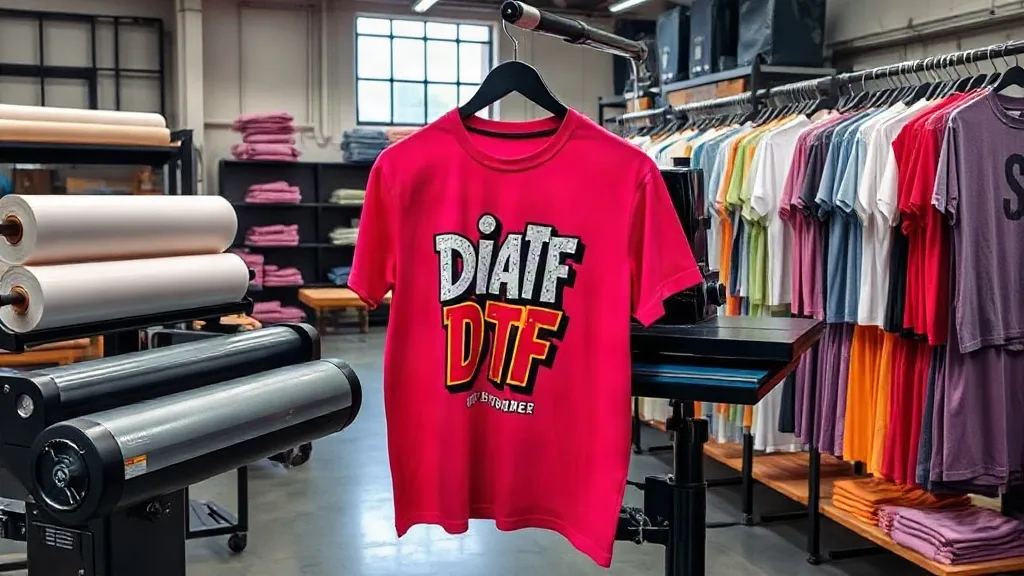
In the competitive world of streetwear, standing out requires more than just a great design. The quality of your prints can make or break your brand. That's where dtf transfers come in. This printing method has revolutionized the way small and large brands approach custom apparel, offering vibrant colors, fine details, and unmatched durability. Whether you're launching a new collection or scaling your existing line, understanding DTF technology is essential for success.
What Are DTF Transfers?
DTF, or Direct to Film, is a printing technique where your design is printed onto a special film and then transferred to fabric using heat and pressure. Unlike DTG (Direct to Garment) or screen printing, dtf works on a wide range of materials, including cotton, polyester, blends, and even nylon. This versatility makes it a favorite among streetwear creators who experiment with different fabrics.
The process involves printing a mirror image of your design onto a PET film using specialized inks, applying a powder adhesive, and then curing it. When you're ready, you simply heat press the film onto your garment, peel off the film, and voila! A professional-grade print that lasts.
Why Choose DTF Transfers for Streetwear?
Streetwear is all about bold graphics, intricate details, and vibrant colors. DTF transfers excel in all these areas. Here's why they're a game-changer:
- Unmatched Color Vibrancy: DTF printers use high-quality pigments that produce rich, saturated colors that pop on any fabric.
- Fine Detail Reproduction: From tiny text to complex gradients, DTF captures every nuance of your design.
- Durability: When applied correctly, DTF prints withstand repeated washing without cracking, fading, or peeling.
- Fabric Flexibility: No need to worry about fabric composition. DTF adheres well to cotton, polyester, blends, and more.
- Cost-Effective for Small Batches: Unlike screen printing, which requires setup costs per color, DTF is economical for short runs and one-offs.
For streetwear brands that thrive on limited editions and quick drops, DTF offers the agility needed to stay ahead.
Choosing the Right Blanks for DTF Printing
The quality of your final product depends heavily on the blank garment you choose. Not all blanks are created equal, and some work better with DTF than others. When selecting blanks for your streetwear line, consider the following:
Fabric Composition
While DTF works on many fabrics, cotton and cotton-poly blends are the most popular for streetwear. Cotton provides a soft, breathable feel, while polyester adds durability and colorfastness. Blends offer the best of both worlds. Avoid fabrics with heavy silicone treatments or water repellents, as they can prevent proper adhesion.
Weight and Texture
Streetwear often features heavyweight fabrics for that premium, structured look. Heavier blanks (like 6 oz or more) provide a substantial canvas for your prints and hold up well to the heat press. However, ensure the fabric is smooth enough for the transfer to bond evenly. Textured fabrics like slub cotton can create a vintage look but may require extra pressure during application.
Color Matters
DTF prints are opaque, so they show up well on both light and dark garments. However, for the brightest results, consider the base color. White or light-colored blanks make colors pop, while dark blanks can create a moody, edgy vibe. Always test your design on the actual blank to ensure it meets your expectations.
At Bulk Streetwear Blanks, we offer a curated selection of high-quality blanks that are perfect for DTF printing. From classic tees to hoodies and crewnecks, our blanks are designed to meet the demands of streetwear brands.
How to Apply DTF Transfers: Step-by-Step
Applying DTF transfers is straightforward, but following the correct steps ensures a professional finish that lasts. Here's a quick guide:
- Preheat Your Heat Press: Set your press to the recommended temperature (usually around 300°F to 320°F).
- Pre-Press the Garment: This removes moisture and wrinkles, creating a smooth surface for the transfer.
- Place the Transfer: Position the DTF film onto the garment with the printed side facing down.
- Press: Apply medium to heavy pressure for 10-15 seconds.
- Peel: Wait a few seconds for the film to cool slightly, then peel it off in a smooth, consistent motion. For a matte finish, peel while hot; for a glossy finish, peel when cold.
- Post-Press: Cover the print with a Teflon sheet or parchment paper and press again for 5 seconds to ensure the adhesive fully cures.
Practice on a scrap piece of fabric to dial in your press settings. Remember, every heat press behaves differently, so always do a test run.
Sourcing Quality DTF Transfers
If you're not printing in-house, choosing the right DTF supplier is critical. Look for suppliers who use high-quality films, inks, and powders. Poor-quality transfers can lead to faded colors, cracking, or poor adhesion. Request samples before committing to a bulk order, and check for consistency across multiple prints.
When searching for dtf transfers near me, consider local suppliers for faster turnaround times and lower shipping costs. However, don't sacrifice quality for convenience. Read reviews, ask for recommendations, and test samples thoroughly.
Common DTF Problems and How to Fix Them
Even with careful application, issues can arise. Here are some common problems and their solutions:
Peeling After Wash
This usually indicates insufficient pressure or incomplete curing. Increase pressure and ensure the post-press step is not skipped. Also, check that the fabric is compatible with DTF.
Faded Colors
Fading can occur if the transfer is overheated or if low-quality inks are used. Verify your press temperature and source transfers from reputable suppliers.
Cracking
Cracking often results from stretching the garment during peeling or from using too high a temperature. Allow the transfer to cool slightly before peeling and avoid stretching the fabric.
DTF vs. Other Printing Methods
How does DTF stack up against screen printing and DTG? Here's a quick comparison:
- Screen Printing: Best for large orders with few colors. DTF wins for detailed, multi-color designs and small batches.
- DTG: Ideal for 100% cotton and soft-hand prints. DTF offers better durability and works on more fabrics.
- Vinyl: Good for simple designs but limited in complexity. DTF handles intricate details with ease.
For streetwear brands that value flexibility and quality, DTF is often the preferred choice.
Frequently Asked Questions
How long do DTF transfers last?
When applied correctly, DTF transfers can last 50+ washes without significant fading or cracking. Proper care, such as washing inside out and avoiding high heat in the dryer, extends their lifespan.
Can I use DTF on any fabric?
DTF works on most fabrics, including cotton, polyester, blends, nylon, and more. However, fabrics with special coatings or heavy silicone may not adhere well. Always test on a small area first.
What's the minimum order quantity for DTF transfers?
Minimums vary by supplier. Some offer single transfers, while others require bulk orders. For streetwear brands, ordering in bulk can reduce costs, but start with a small batch to test quality.
Do I need a special heat press for DTF?
A standard heat press works fine, but ensure it can maintain consistent temperature and pressure. Some dedicated DTF presses offer advanced features, but they're not necessary for beginners.
Can I print white ink with DTF?
Yes, DTF uses white ink as a base layer to make colors pop on dark fabrics. This is one of its key advantages over other methods.
Elevate Your Streetwear with Bulk Streetwear Blanks
Ready to take your streetwear brand to the next level? At Bulk Streetwear Blanks, we provide premium blanks and resources to help you create standout apparel. Whether you're experimenting with dtf transfers or other printing methods, our high-quality garments ensure your designs look their best. Browse our catalog today and discover why top brands trust us for their bulk orders.