
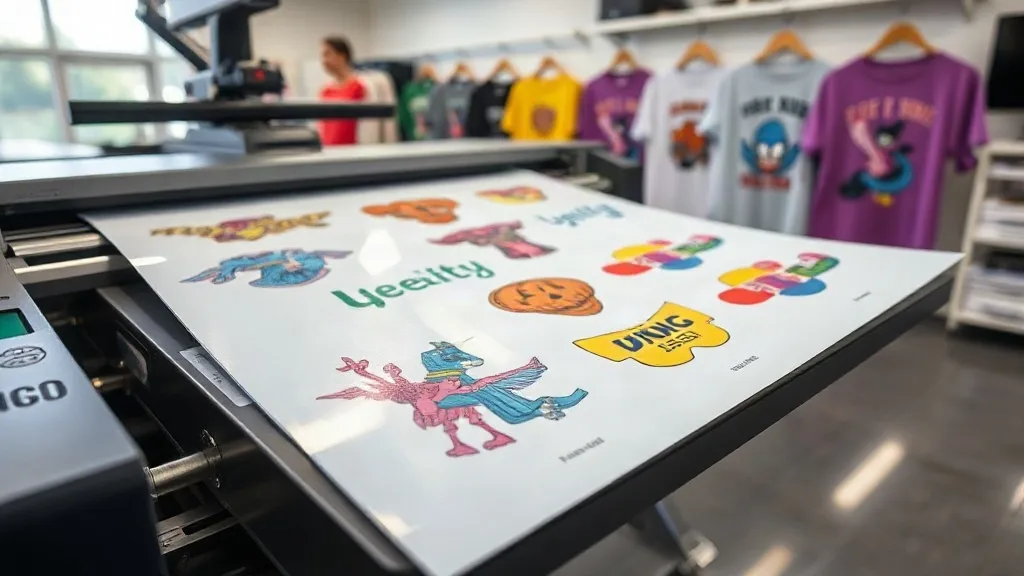
In the competitive world of custom apparel, staying ahead means embracing efficient and high-quality printing methods. One such game-changer is the DTF Gangsheet, a technique that allows you to print multiple designs on a single sheet, saving time and money while delivering stunning results. Whether you're a small print shop owner or a large-scale manufacturer, understanding DTF gangsheets can elevate your production process and customer satisfaction.
What is a DTF Gangsheet?
A DTF (Direct-to-Film) gangsheet is a sheet of transfer film that contains multiple designs printed simultaneously. Instead of printing each design individually, you arrange them on a single sheet, maximizing film usage and reducing waste. This method is particularly popular for small to medium-sized orders where efficiency is key. The gangsheet is then powdered with adhesive, cured, and ready to be heat-pressed onto garments.
The DTF Printing Process
The DTF process involves printing your designs onto a special film using pigment-based inks. After printing, a hot-melt adhesive powder is applied to the wet ink, and the film is cured. Once cured, the transfers can be stored for later use or immediately applied to fabrics using a heat press. The gangsheet approach simply means combining multiple designs onto one film, which is then processed as a single unit.
Why Choose DTF Gangsheets for Your Business?
DTF gangsheets offer numerous advantages that can directly impact your bottom line and creative possibilities. Here are the key benefits:
- Cost Efficiency: By maximizing film usage, you reduce material waste and lower production costs. This is especially beneficial for small batch orders where traditional screen printing would be uneconomical.
- Time Savings: Printing multiple designs at once speeds up the production process. You can fulfill orders faster, improving customer satisfaction and allowing you to take on more projects.
- Vibrant and Durable Prints: DTF transfers produce bright, detailed prints that withstand repeated washing. The colors remain vivid, and the prints don't crack or fade easily.
- Versatility: DTF works on a wide range of fabrics, including cotton, polyester, blends, and even dark colors. No need for pre-treatment, making it a versatile solution for various garment types.
How to Create a DTF Gangsheet
Creating a gangsheet involves several steps, from design preparation to final pressing. Here's a step-by-step guide to help you get started:
- Design Preparation: Gather all the designs you want to include. Ensure they are high-resolution (300 DPI) and properly sized. Use design software to arrange them on a canvas that matches your film size (e.g., 13" x 19", 22" x 24").
- Printing: Load the film into your DTF printer and print the gangsheet. Make sure your printer is calibrated for DTF inks.
- Powder Application: While the ink is still wet, apply the adhesive powder evenly over the printed area. Shake off excess powder.
- Curing: Place the film in a curing oven or use a heat press to melt the powder. Follow the recommended temperature and time settings (typically 160-170°C for 2-3 minutes).
- Pressing: Once cured, the gangsheet is ready to use. Cut out individual designs and heat-press them onto garments using a heat press (usually 150-160°C for 10-15 seconds).
Design Tips for DTF Gangsheets
To get the most out of your gangsheets, consider these design best practices:
- Nesting: Arrange designs closely to minimize wasted space. Use design software with nesting features to optimize layout.
- Color Management: Use CMYK color mode and ensure your printer is properly calibrated for accurate colors.
- Bleed and Cut Lines: Add bleed to designs that will be cut out to avoid white edges. Include cut lines if using a cutting machine.
- Test Prints: Before committing to a full gangsheet, do a test print on a small scale to check colors and alignment.
Common Applications of DTF Gangsheets
DTF gangsheets are used across various industries and applications. Here are some popular uses:
- Custom T-Shirts: Perfect for small businesses creating branded apparel or event merchandise.
- Sportswear: Team jerseys, athletic wear, and fan gear benefit from durable, flexible prints.
- Fashion and Streetwear: Adds vibrant designs to hoodies, jackets, and pants.
- Promotional Items: Tote bags, hats, and other accessories can be customized with DTF transfers.
DTF vs. Other Printing Methods
When choosing a printing method, it's essential to compare DTF with alternatives like screen printing, DTG (Direct-to-Garment), and vinyl. Here's a quick comparison:
- DTF vs. Screen Printing: DTF is more cost-effective for small orders and offers full-color prints without setup costs. Screen printing is better for large orders with few colors.
- DTF vs. DTG: DTF works on a wider range of fabrics and produces more durable prints. DTG is limited to cotton and requires pre-treatment.
- DTF vs. Vinyl: DTF allows complex, multi-color designs, while vinyl is limited to simple shapes and colors. DTF is also more durable.
Choosing the Right DTF Supplies
To achieve professional results, invest in high-quality DTF supplies. Look for reputable suppliers of DTF film, inks, and powder. Ensure compatibility with your printer and follow storage guidelines to maintain quality. For bulk orders, consider sourcing from Bulk Streetwear Blanks for competitive pricing and reliable service.
Frequently Asked Questions
What is the maximum size for a DTF gangsheet?
The maximum size depends on your printer and film roll width. Common widths are 13", 17", and 24". Length can be customized up to several meters.
Can I use DTF gangsheets on dark fabrics?
Yes, DTF transfers work excellently on dark fabrics. The white ink layer in the print ensures vibrant colors stand out.
How long do DTF prints last?
With proper application and care, DTF prints can last 50+ washes without significant fading or cracking.
Do I need special software to create a gangsheet?
Any design software that supports high-resolution output and CMYK color mode can be used. Some RIP software offers gangsheet templates.
Is DTF printing environmentally friendly?
DTF is relatively eco-friendly compared to other methods, as it produces less water waste and uses pigment-based inks. However, proper disposal of film and powder is recommended.