
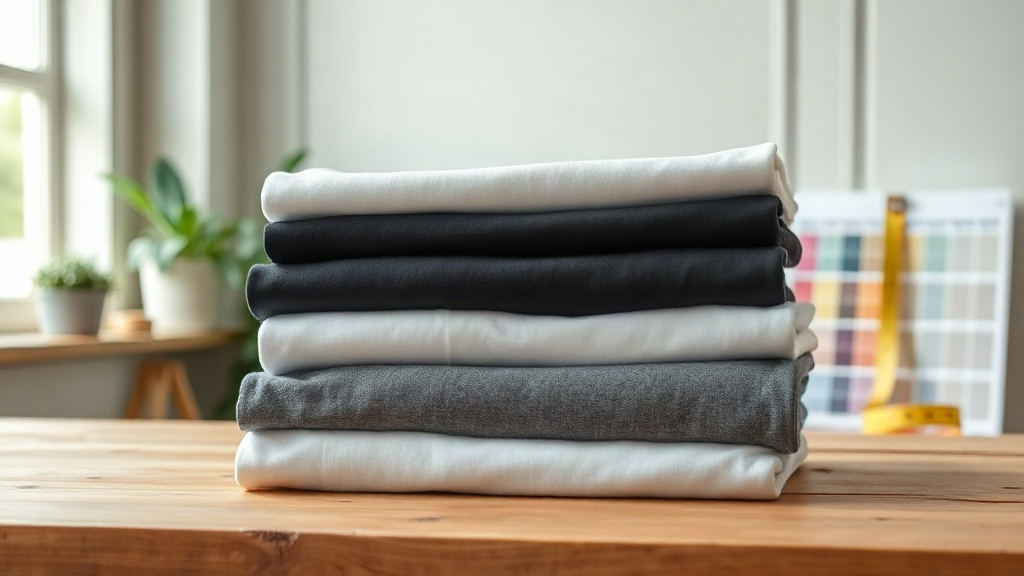
When it comes to creating custom apparel that truly stands out, the foundation matters just as much as the design. Smart blank shirts have become the secret weapon for businesses, event organizers, and creators who want high-quality, comfortable, and durable garments that take printing and embroidery beautifully. Whether you're launching a new merch line or need uniforms for your team, understanding what makes a blank shirt "smart" can save you time, money, and a lot of frustration.
In this guide, we'll dive deep into the world of smart blank shirts. You'll learn about the different fabric types, how to pick the right one for your project, printing techniques that work best, and tips for caring for your custom creations. By the end, you'll be equipped to make informed decisions and produce apparel that people actually want to wear.
What Are Smart Blank Shirts?
Smart blank shirts are not just any ordinary t-shirts. They are garments specifically engineered to be decorated. Think of them as a canvas for your creativity. These shirts are made from high-quality materials, often with a tighter weave, consistent stitching, and a smooth surface that ensures your prints look crisp and last longer. Unlike cheap blanks that might pill, shrink, or fade after a few washes, smart blanks are built to withstand the rigors of daily wear and repeated laundering.
But what exactly makes them "smart"? It's a combination of factors: the fabric blend, the weight, the cut, and the finish. Smart blanks often feature ring-spun cotton, which is softer and smoother than standard cotton. They may also include a small percentage of polyester or spandex for stretch and durability. The goal is to provide a blank that feels great, fits well, and enhances the final decorated product.
Why Choose Smart Blank Shirts for Your Custom Apparel?
If you're in the business of custom apparel, you know that the blank you choose can make or break your project. Here are several compelling reasons to opt for smart blank shirts:
- Superior Print Quality: The smooth surface of smart blanks allows for detailed prints, whether you're using screen printing, DTG (direct-to-garment), or heat transfer vinyl. The ink adheres better, resulting in vibrant colors and sharp lines.
- Comfort and Fit: These shirts are designed with the wearer in mind. They often have a modern fit that appeals to a wide range of body types, and the soft fabrics make them a pleasure to wear all day.
- Durability: Smart blanks are made to last. They resist shrinking, fading, and pilling, so your custom designs stay looking new for longer.
- Variety: You can find smart blanks in a plethora of styles, colors, and sizes. From crew necks to V-necks, short sleeves to long sleeves, and even tank tops, there's a smart blank for every need.
- Brand Elevation: When you use high-quality blanks, your brand is perceived as more premium. Customers notice the difference in feel and appearance, which can lead to repeat business and word-of-mouth referrals.
Types of Smart Blank Shirts: Fabrics and Blends
Understanding the materials is crucial when selecting smart blank shirts. Here's a breakdown of the most common fabrics and their characteristics.
100% Cotton
Cotton is the classic choice for t-shirts. It's breathable, soft, and takes prints well. However, not all cotton is created equal. Look for ring-spun cotton, which is made by spinning the cotton fibers continuously, resulting in a smoother, stronger yarn. Combed cotton is another premium option, where shorter fibers are removed to create an even softer feel. Smart blanks made from 100% cotton are ideal for screen printing and DTG, as the natural fibers absorb ink beautifully.
Cotton/Polyester Blends
Blending cotton with polyester combines the best of both worlds: the softness of cotton and the durability and wrinkle resistance of polyester. A 50/50 blend is common and offers a good balance. Tri-blends (cotton/polyester/rayon) are also popular for their incredibly soft, vintage look and drape. These blends are excellent for heat transfer vinyl and sublimation printing, as the synthetic fibers hold the ink well.
Performance Fabrics
For activewear or outdoor events, performance fabrics like polyester or nylon are often used. These materials wick moisture, dry quickly, and resist odors. Smart blanks in performance fabrics are designed to be decorated, so they often have a smooth face for printing. However, they may require special inks or techniques to ensure the design adheres properly.
How to Choose the Right Smart Blank Shirt for Your Project
With so many options available, selecting the perfect smart blank shirts can feel overwhelming. Follow these steps to narrow down your choices.
- Identify the Purpose: Is the shirt for a one-time event, a retail collection, or employee uniforms? The intended use will dictate the level of quality and durability needed. For retail, you'll want a higher-end blank; for a fun run, a more economical option might suffice.
- Consider the Printing Method: Different blanks work better with different printing techniques. For example, if you plan to use DTG, a 100% cotton shirt with a high thread count is ideal. For screen printing, a smooth, tight weave is important. Always check the manufacturer's recommendations.
- Feel the Fabric: If possible, order samples. The hand feel (how the fabric feels to the touch) is subjective but crucial. You want a shirt that feels comfortable against the skin. Consider the weight: lighter weights (4-5 oz) are great for summer, while heavier weights (6-7 oz) feel more substantial and are good for cooler weather.
- Check the Fit: Smart blanks come in various fits: classic, slim, relaxed, and oversized. Think about your audience and what they prefer. A unisex fit is versatile, but women's cuts or youth sizes might be necessary for certain demographics.
- Evaluate Color Options: Ensure the blank is available in the colors you need. Also, consider how the color will affect your design. Light colors require darker inks, while dark colors may need a white underbase for vibrant prints.
- Test the Quality: Look for details like double-needle stitching on hems and sleeves, shoulder-to-shoulder taping, and a clean neckline. These indicate a well-constructed garment that will hold up over time.
Top Printing Techniques for Smart Blank Shirts
Once you've chosen your smart blank shirts, the next step is decorating them. Here's a quick overview of popular printing methods and how they interact with smart blanks.
Screen Printing
Screen printing is the most common method for bulk orders. It involves pushing ink through a mesh screen onto the fabric. Smart blanks with a tight weave and smooth surface produce the best results. Screen printing is durable and cost-effective for large quantities, but it requires a separate screen for each color, so it's best for simpler designs with few colors.
Direct-to-Garment (DTG)
DTG printing is like an inkjet printer for t-shirts. It's perfect for detailed, full-color designs and small batches. Smart blanks made from 100% cotton or high-cotton blends are ideal for DTG because the ink bonds with the natural fibers. Pre-treatment is often needed to ensure vibrant colors and prevent fading.
Heat Transfer Vinyl (HTV)
HTV involves cutting a design from a colored vinyl sheet and applying it to the shirt with a heat press. It's great for names, numbers, and simple logos. Smart blanks with a smooth surface work best, as the vinyl needs to adhere evenly. HTV is durable and comes in a variety of finishes, including matte, glossy, and metallic.
Embroidery
For a premium, textured look, embroidery is a fantastic choice. Smart blanks that are sturdy and have a stable fabric (like heavier cotton or blends) are best for embroidery, as they can support the stitching without puckering. Left chest logos, monograms, and small designs are common uses.
Caring for Your Custom Smart Blank Shirts
To ensure your custom apparel lasts, proper care is essential. Here are some tips to pass on to your customers or to follow yourself:
- Turn the shirt inside out before washing to protect the print.
- Wash in cold water on a gentle cycle.
- Avoid using bleach or fabric softener, which can degrade the print and the fabric.
- Tumble dry on low heat or hang dry. High heat can cause shrinking and cracking of the print.
- Iron inside out, avoiding the printed area. If you must iron the print, use a low setting and place a cloth over it.
Frequently Asked Questions About Smart Blank Shirts
What is the difference between smart blank shirts and regular blank shirts?
Smart blank shirts are designed with higher-quality materials and construction to provide a superior canvas for decoration. They often use ring-spun cotton, have a smoother surface, and are more durable than regular blanks, which may be made from lower-grade cotton and have a rougher texture.
Can I use smart blank shirts for sublimation printing?
Sublimation printing requires a high polyester content (usually at least 50%, ideally 100%) because the ink turns into gas and bonds with the polyester fibers. While some smart blanks are cotton/poly blends, for best sublimation results, choose a performance fabric or a polyester-rich blank specifically designed for sublimation.
How do I choose the right size for my smart blank shirts?
Always refer to the manufacturer's size chart, as sizing can vary between brands. If you're unsure, order samples in a few sizes to test the fit. Consider your target audience: unisex sizes are broader, while women's cuts are more fitted. Offering a size run from XS to 3XL ensures inclusivity.
Are smart blank shirts more expensive?
Smart blank shirts typically cost more than basic blanks due to their higher quality materials and construction. However, the investment pays off in better print results, longer garment life, and increased customer satisfaction. For bulk orders, the cost per unit may still be reasonable, especially when you factor in the reduced waste from misprints or returns.
Where can I buy smart blank shirts?
You can purchase smart blank shirts from wholesale suppliers, online retailers, and specialty apparel companies. Look for brands that specialize in blanks for printing, such as those offered by Best Smart Blanks. Always read reviews and order samples to ensure the quality meets your standards.
Choosing the right smart blank shirts is a critical step in creating custom apparel that impresses. By understanding the fabrics, fits, and printing compatibility, you can produce shirts that not only look great but also feel great and last long. Whether you're a small business owner, a event coordinator, or a DIY enthusiast, investing in quality blanks will elevate your final product and leave a lasting impression on your audience.