
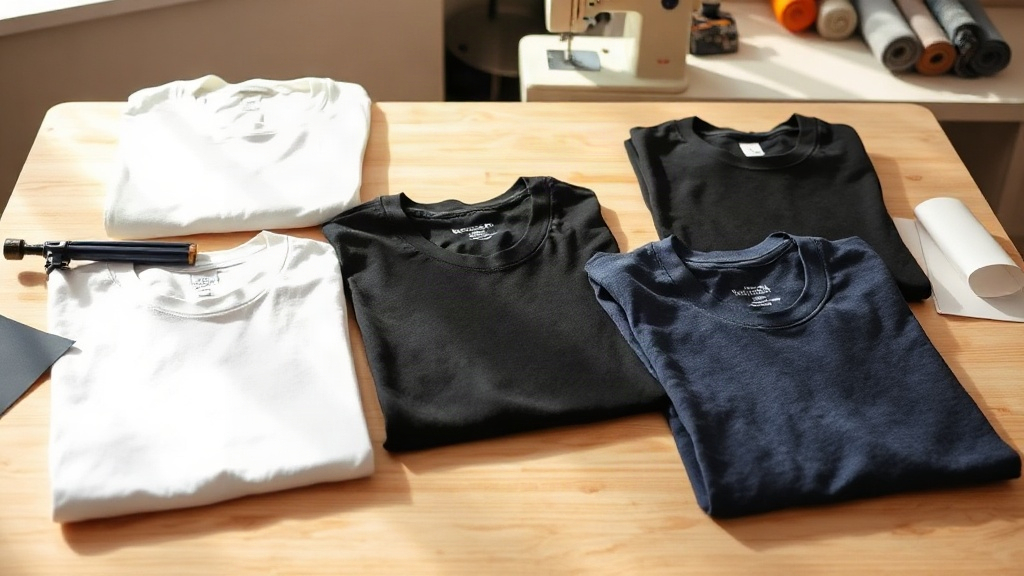
When it comes to creating custom apparel, the foundation you choose makes all the difference. Smart Blank T-Shirts have become the preferred canvas for designers, brands, and DIY enthusiasts who demand quality and versatility. Unlike ordinary blanks, smart blanks are engineered with the end goal in mind: to provide a flawless surface for printing, embroidery, or embellishment while ensuring ultimate comfort for the wearer. Whether you're launching a clothing line, organizing a team event, or simply expressing your personal style, understanding what sets smart blanks apart will elevate your creations from mediocre to remarkable.
What Makes Smart Blank T-Shirts Different?
At first glance, a blank t-shirt may seem like a simple piece of fabric. However, the term smart blank t-shirts refers to garments that are thoughtfully designed to meet the specific needs of customization. These shirts often feature tighter weave structures, optimized fabric blends, and consistent dyeing processes. This means your prints look sharper, colors remain vibrant after multiple washes, and the shirt itself maintains its shape wear after wear. Smart blanks are not just about being empty; they are about being ready.
Another key differentiator is the attention to details like seam placement, collar construction, and tagless labeling. These may seem minor, but they significantly impact how the final product feels and functions. For example, a tagless label prevents irritation, which is crucial for sensitive skin, while reinforced shoulder seams ensure the shirt can withstand the weight of heavy screen prints without stretching out.
Choosing the Right Fabric for Your Project
The fabric of your blank t-shirt dictates not only comfort but also how well it accepts different types of decoration. Here's a breakdown of common options:
- 100% Cotton: The classic choice. It's soft, breathable, and takes screen printing and DTG (direct-to-garment) printing beautifully. However, it can shrink and wrinkle.
- Cotton/Polyester Blends: Often 50/50 or 60/40. These blends resist shrinkage and wrinkles, and they are ideal for heat transfer vinyl (HTV) and sublimation. They also tend to be more durable.
- Tri-Blends: A mix of cotton, polyester, and rayon. These offer a vintage, heathered look and an ultra-soft feel. They are popular for retail brands but can be trickier to print on due to their texture.
- Performance Fabrics: Moisture-wicking and antimicrobial. Perfect for athletic wear, but require special inks and techniques for printing.
When selecting a fabric, consider the intended use. For a fashion-forward tee that feels luxurious, tri-blend is excellent. For a durable work shirt that will be washed frequently, a cotton/poly blend is more practical.
Fit and Sizing: Finding the Perfect Silhouette
Gone are the days when one-size-fits-all was acceptable. Smart blank t-shirts come in a variety of fits to cater to diverse body types and style preferences. The most common fits include:
- Classic Fit: A traditional cut with a relaxed feel. It offers roomy comfort and is a safe bet for unisex designs.
- Slim Fit: Tailored closer to the body, with narrower sleeves and a tapered waist. Ideal for modern, sleek looks.
- Relaxed Fit: Extra room throughout, often with dropped shoulders. Great for streetwear and oversized trends.
- Women's Fit: Specifically contoured for a feminine shape, with shorter sleeves and a narrower waist.
It's essential to order samples or check size charts meticulously before committing to a large order. A shirt that doesn't fit well won't be worn, no matter how stunning the print is.
Printing Techniques for Smart Blanks
The beauty of smart blanks lies in their compatibility with a wide range of decoration methods. Here are the most popular ones and how they interact with different fabrics:
Screen Printing
This is the go-to for bulk orders. It involves pushing ink through a mesh screen onto the fabric. Screen printing works best on 100% cotton and cotton blends with a smooth surface. It's cost-effective for large quantities and produces vibrant, long-lasting results. However, each color requires a separate screen, so complex designs can get pricey.
Direct-to-Garment (DTG) Printing
DTG is like an inkjet printer for t-shirts. It's perfect for detailed, full-color designs and small batches. DTG works best on 100% cotton, though newer machines can handle blends with a pretreatment. The print feels soft and can crack over time if not cared for properly.
Heat Transfer Vinyl (HTV)
HTV is a great option for names, numbers, and simple logos. You cut the vinyl with a cutting machine, then heat-press it onto the shirt. It adheres well to cotton and polyester blends. HTV comes in various colors and finishes, including metallic and glow-in-the-dark.
Embroidery
For a premium, textured look, embroidery is unmatched. It's durable and gives a professional feel. However, it requires a stable fabric that won't pucker. Medium-weight cottons and blends are ideal. Avoid lightweight or highly stretchy fabrics.
Care Tips to Extend the Life of Your Custom Shirts
To keep your smart blank t-shirts looking fresh, follow these simple care guidelines:
- Turn the shirt inside out before washing to protect the print.
- Wash in cold water on a gentle cycle.
- Avoid using bleach or fabric softeners, which can degrade the print and fabric.
- Tumble dry on low or hang dry. High heat can cause cracking and shrinkage.
- Iron inside out, avoiding the printed area. If needed, use a pressing cloth.
By following these steps, you can significantly prolong the life of your custom apparel, ensuring that your designs stay vibrant and your shirts remain comfortable.
Why Smart Blanks Are a Smart Investment
Investing in high-quality smart blank t-shirts might cost a bit more upfront, but the long-term benefits are undeniable. They reduce waste from misprints, enhance customer satisfaction, and elevate your brand's image. Whether you're a small business owner or a creative individual, choosing the right blank is the first step toward creating something truly special.
Frequently Asked Questions
What is the best fabric for screen printing on smart blank t-shirts?
100% cotton is generally the best for screen printing because it has a smooth surface that allows ink to adhere evenly. However, cotton/poly blends also work well with the right inks and can offer better durability.
How do I prevent my DTG print from fading?
To prevent fading, wash the shirt inside out in cold water and avoid harsh detergents. Also, avoid ironing directly on the print. Proper care will keep the colors vibrant for years.
Can I use smart blank t-shirts for sublimation printing?
Sublimation printing requires polyester fabric. While 100% cotton is not suitable, high-polyester blends (at least 50% polyester) can yield good results. For best results, use 100% polyester shirts.
What is the difference between slim fit and classic fit?
Slim fit is tailored to hug the body with narrower sleeves and a tapered waist, while classic fit is more relaxed and boxy. The choice depends on personal preference and the intended style of the shirt.
How should I store my blank t-shirts before printing?
Store them in a cool, dry place away from direct sunlight. Keep them folded to avoid creases, and if possible, keep them in a dust-free environment to prevent any debris from affecting the print quality.