
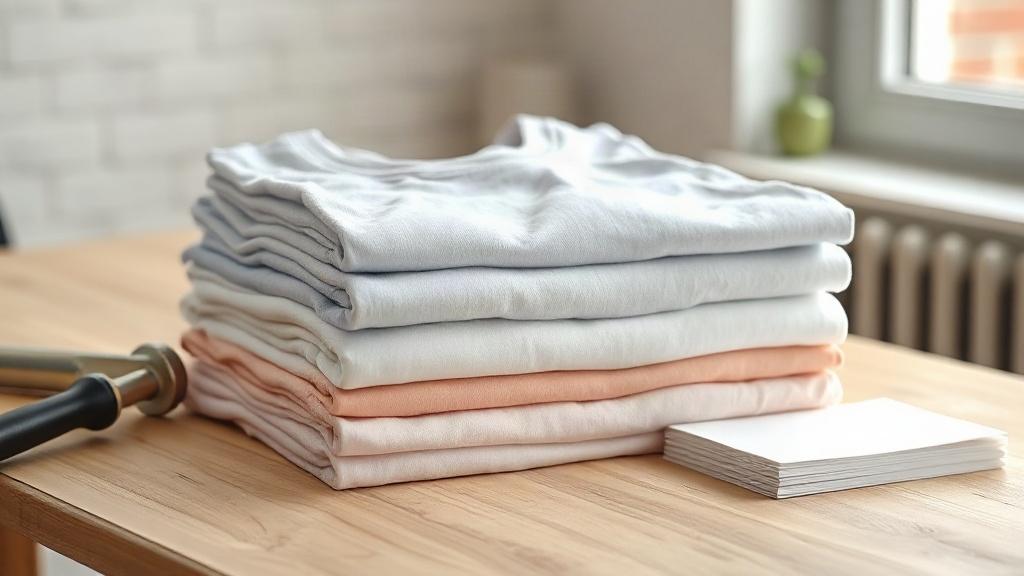
When it comes to creating custom apparel that looks professional and feels great, the foundation you choose matters more than anything else. Smart Blank T-Shirts have become the go-to option for printers, designers, and DIY enthusiasts who demand consistency and quality. Unlike ordinary blanks, these shirts are engineered with printing in mind, offering the right fabric weight, weave, and finish to make your designs pop. In this guide, we'll dive deep into what makes smart blanks superior, how to select the perfect one for your project, and expert techniques to achieve flawless results every time.
What Are Smart Blank T-Shirts?
Smart Blank T-Shirts are not just any plain tees. They are specifically manufactured to meet the rigorous standards of custom printing. This means the fabric is optimized for ink adhesion, the surface is smooth and consistent, and the construction can withstand the heat and handling involved in screen printing, DTG, vinyl, and more. Whether you're a professional printer or a hobbyist, starting with smart blanks eliminates many common variables that can ruin a project.
These blanks often feature a tighter knit, which prevents ink from bleeding and ensures crisp lines. They also come in a variety of fabric blends, from 100% cotton to poly-cotton mixes, each suited to different printing methods. The key is that smart blanks are tested and trusted by printers worldwide for their reliability.
Why Choose Smart Blank T-Shirts Over Regular Blanks?
You might wonder if the extra cost is worth it. The answer is a resounding yes, and here's why. First, smart blanks have a superior hand feel. They are softer and smoother, which not only feels better to wear but also provides an ideal canvas for printing. Second, their consistent sizing and cut mean your customers get a predictable fit, reducing returns and complaints. Third, they hold up better after multiple washes, keeping your designs looking fresh.
From a printing perspective, smart blanks reduce the margin of error. The fabric's tight weave prevents the ink from spreading, so even fine details remain sharp. For DTG printing, the surface is pre-treated to accept water-based inks, resulting in vibrant, long-lasting colors. For screen printing, the smooth texture ensures even ink deposit without the need for excessive pressure.
Key Factors to Consider When Selecting Smart Blanks
Fabric Composition
The fabric blend you choose will impact how your print looks and feels. 100% cotton is the most popular for screen printing and DTG because it's breathable, soft, and takes ink well. However, it can shrink and wrinkle. Polyester blends, like 50/50 or tri-blends, are wrinkle-resistant and hold color brilliantly, but they require special inks for DTG. For a vintage look, tri-blends are excellent. Consider the end use: for athletic wear, moisture-wicking polyester is ideal; for fashion tees, cotton or blends offer comfort.
Fabric Weight
Weight is measured in ounces per square yard (oz/yd²). Lightweight (4-5 oz) is airy and great for summer, but may be too sheer for some designs. Midweight (5.5-6 oz) is the sweet spot for most custom projects, offering durability and a substantial feel. Heavyweight (6.5+ oz) is rugged and works well for streetwear or workwear. Choose based on the desired drape and the complexity of your print.
Color Options
Smart blanks come in a wide array of colors, but not all colors print equally. Light colors are easier for DTG and screen printing because they don't require a white underbase. Dark colors, especially black, need a white underbase for vibrant prints, which adds complexity. If you're new to printing, start with light heather or white blanks. Also, consider the colorfastness: some dyes may bleed during washing, so pre-washing or choosing reactive-dyed fabrics is wise.
Fit and Sizing
The fit can make or break customer satisfaction. Smart blanks are available in unisex, women's, and youth cuts. Unisex tends to be boxy, while women's fits are tapered. Check the size chart carefully and consider ordering samples to test the fit. Remember that some blanks run small or large, so always verify with the manufacturer's specs.
Best Printing Methods for Smart Blank T-Shirts
Screen Printing
Screen printing is the most cost-effective for large orders and bold designs. Smart blanks with a tight weave allow for high-detail prints and opaque colors. Use plastisol inks for dark garments, or water-based inks for a soft feel. Curing is critical: follow the ink manufacturer's temperature and time guidelines to ensure durability.
Direct-to-Garment (DTG)
DTG is perfect for full-color, photographic designs and small batches. Smart blanks designed for DTG often come pre-treated, which enhances ink absorption. For best results, use a pretreat solution and a heat press to cure. Keep in mind that DTG works best on 100% cotton; polyester requires a special pretreat and can produce muted colors.
Heat Transfer Vinyl (HTV)
HTV is great for names, numbers, and simple logos. Smart blanks with a smooth surface allow the vinyl to adhere evenly. Use a heat press for consistent pressure and temperature. Always do a test press on a scrap piece to dial in the settings.
How to Care for Your Custom Printed Smart Blank T-Shirts
To keep your prints looking new, follow these care tips:
- Turn the shirt inside out before washing.
- Use cold water and a gentle cycle.
- Avoid fabric softeners and bleach, which can break down the ink.
- Tumble dry on low or hang dry.
- Iron inside out, never directly on the print.
Proper care extends the life of both the shirt and the print, ensuring your customers stay happy.
Common Mistakes to Avoid with Smart Blanks
Even with high-quality blanks, mistakes happen. Here are pitfalls to watch for:
- Not pre-shrinking: Cotton blanks can shrink up to 5%, so pre-wash if precise sizing is critical.
- Using the wrong ink: Polyester requires sublimation or low-cure inks; using standard plastisol can lead to dye migration.
- Insufficient curing: Under-cured ink will crack and wash out. Always follow curing guidelines.
- Ignoring fabric texture: Rough textures can distort fine details. Choose smooth blanks for intricate designs.
Frequently Asked Questions About Smart Blank T-Shirts
What makes a t-shirt a 'smart blank'?
A smart blank is a t-shirt specifically engineered for custom printing, with features like a tight weave, consistent surface, and optimized fabric blend to ensure high-quality print results. They are tested for various printing methods and offer reliability.
Can I use smart blank t-shirts for DTG printing?
Yes, many smart blanks are designed for DTG. Look for 100% cotton or poly-cotton blends with a smooth surface. Pre-treatment is often required for best results, especially on dark colors.
How do I choose the right size for my customers?
Always refer to the manufacturer's size chart and consider ordering samples. Unisex sizes tend to run larger, while women's cuts are more fitted. Offering a size chart on your product page reduces returns.
Do smart blank t-shirts shrink after washing?
Cotton blanks may shrink slightly, typically 3-5%. Pre-shrinking by washing in hot water and drying can minimize this. Polyester blends are less prone to shrinking.
What's the best way to wash a custom printed smart blank t-shirt?
Turn inside out, wash in cold water on a gentle cycle, and avoid bleach and fabric softener. Tumble dry low or hang dry. Iron inside out if needed.
Choosing the right Smart Blank T-Shirts is the first step toward creating custom apparel that impresses. With the knowledge from this guide, you can select, print, and care for your blanks like a pro. Whether you're running a business or making gifts, smart blanks deliver the quality and consistency you need. Start your next project with confidence and watch your designs come to life.