
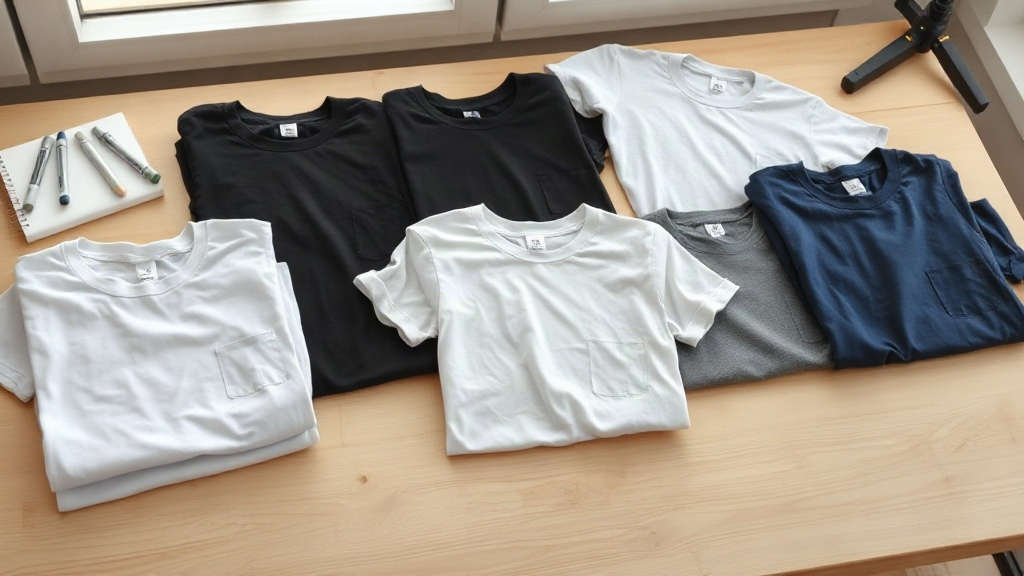
Creating custom shirts is more than a craft project—it's a way to express identity, build team spirit, or launch a brand. Whether you're designing for a family reunion, a small business, or just for fun, the process can be both exciting and overwhelming. With so many options for blanks, printing techniques, and design tools, where do you start? This guide will walk you through every step, from picking the perfect blank to mastering the art of printing, so you can produce shirts that people actually want to wear.
Why Custom Shirts Matter
In a world of mass-produced fashion, custom shirts offer a personal touch that resonates. They tell a story, promote a cause, or simply make a statement. For businesses, branded apparel increases visibility and fosters a sense of belonging among employees. For individuals, a custom shirt can be a conversation starter or a wearable piece of art. The key is to approach the design with intention and quality in mind.
Choosing the Right Blank Shirt
The foundation of any great custom shirt is the blank itself. Not all blanks are created equal; the fabric, fit, and color can make or break your design. When selecting a blank, consider the following factors:
- Fabric: Cotton is breathable and soft, but blends like cotton-polyester offer durability and wrinkle resistance. Tri-blends provide a vintage look and exceptional comfort.
- Weight: Lightweight (4-5 oz) is great for summer, while heavier (6+ oz) feels more premium and holds shape better.
- Fit: From classic to slim to oversized, the fit should match the wearer's preference and the shirt's purpose.
- Color: Light colors make dark prints pop, while dark colors require lighter inks or specialty printing.
At Best Smart Blanks, we curate high-quality blanks that cater to various needs, ensuring your custom shirts start on the right foot.
Designing Your Custom Shirts
Once you have your blank, it's time to unleash your creativity. Designing custom shirts can be done using online tools, professional software, or even pen and paper. Here are some tips to create a design that works:
Keep It Simple
Cluttered designs are hard to read and often look messy. Focus on one or two key elements. A bold logo, a clever phrase, or a simple illustration can be more impactful than a complex collage.
Consider Placement
The standard front chest placement is safe, but don't be afraid to experiment. Back prints, sleeve logos, or even all-over patterns can make your shirt unique. Just ensure the design fits the printable area and doesn't interfere with seams.
Use High-Resolution Graphics
Pixelated images look unprofessional. Always use vector files (like AI or EPS) or high-resolution PNGs (300 DPI or higher) for crisp prints.
Think About Color Contrast
Ensure your design stands out against the shirt color. Use a color wheel to find complementary or contrasting hues. If in doubt, test print on a small scale.
Printing Methods for Custom Shirts
The printing method you choose affects the look, feel, and durability of your custom shirts. Here's a breakdown of the most common techniques:
Screen Printing
Best for bulk orders with simple designs. It's cost-effective, vibrant, and long-lasting. However, each color requires a separate screen, so complex designs can get pricey.
Direct-to-Garment (DTG)
Ideal for detailed, multi-color designs and small batches. DTG printers work like inkjet printers, applying water-based inks directly to the fabric. The result is soft to the touch, but may fade over time.
Heat Transfer Vinyl (HTV)
Great for DIY enthusiasts. You cut the vinyl with a machine, then heat-press it onto the shirt. It's perfect for one-off projects and offers a wide range of colors and finishes.
Embroidery
For a premium, professional look, embroidery is unmatched. It's durable and adds texture, but it's more expensive and best for logos with solid shapes.
Each method has its pros and cons. Consider your budget, quantity, and design complexity when deciding.
Step-by-Step: Making Custom Shirts at Home
If you're tackling a DIY project, follow these steps for best results:
- Pre-wash your blanks: This prevents shrinkage and removes sizing.
- Prepare your design: Mirror the image if using HTV.
- Set up your equipment: Preheat your heat press or iron.
- Position and press: Follow the vinyl or transfer instructions for time and temperature.
- Peel and cool: Wait for the recommended time before peeling the carrier sheet.
Practice on an old shirt first to avoid mistakes on your good blanks.
Marketing Your Custom Shirts
If you're creating shirts for sale, you need a strategy. High-quality product photos, clear sizing information, and a compelling brand story are essential. Use social media to showcase your designs and engage with customers. Platforms like Instagram and TikTok are perfect for visual products. Also, consider offering personalization options, such as adding names or dates, to increase perceived value.
Common Mistakes to Avoid
Even seasoned creators make mistakes. Here are a few to watch out for:
- Ignoring fabric compatibility: Not all inks work on all fabrics. For example, DTG requires 100% cotton for best results.
- Rushing the pressing: Improper heat or time can cause peeling or fading.
- Forgetting to test: Always do a test print to check colors and placement.
- Overcomplicating the design: Less is often more.
Frequently Asked Questions
What is the best blank shirt for custom printing?
The best blank depends on your printing method and desired feel. For DTG, 100% cotton is ideal. For screen printing, a cotton-poly blend works well. Consider weight and fit based on the end use.
How can I make my custom shirts last longer?
Wash inside out in cold water, avoid fabric softener, and tumble dry on low or hang dry. This preserves the print and fabric.
Can I print on dark shirts?
Yes, but you'll need a white underbase for DTG or screen printing to make colors pop. HTV also comes in opaque versions for dark fabrics.
What's the most cost-effective printing method for small batches?
For small batches, DTG or HTV are more economical than screen printing, which has setup costs per color.
How do I choose the right size for my custom shirts?
Refer to the blank manufacturer's size chart and consider the fit. If in doubt, order a sample or go one size up for a relaxed fit.
With these insights, you're ready to create custom shirts that impress. Remember, quality blanks and thoughtful design are the keys to success. Start your project today and wear your creativity proudly.