
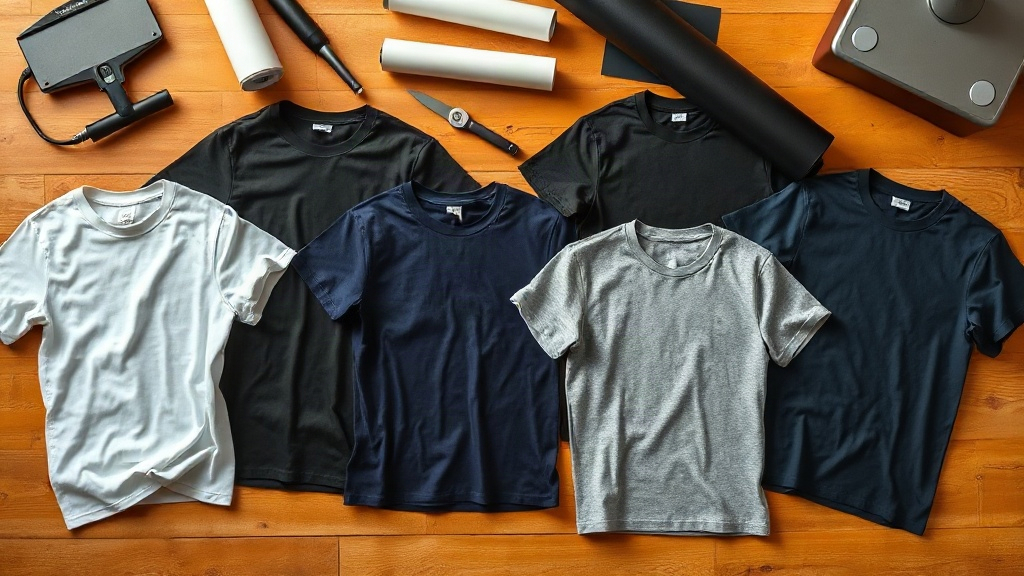
Creating custom shirts is more than a hobby; it's a way to express your personality, promote your brand, or simply wear something unique. Whether you're a small business owner looking to print company tees or an individual wanting a one-of-a-kind design, the process can be both fun and rewarding. In this guide, I'll walk you through everything you need to know to get started, from selecting the right blank shirt to choosing a printing method that suits your needs. With a little patience and the right supplies, you'll be wearing your own creation in no time.
Why Choose Custom Shirts?
Custom shirts offer a level of personalization that mass-produced apparel can't match. You control the design, the fit, and the fabric. For businesses, custom shirts serve as walking billboards, increasing brand visibility. For individuals, they're a canvas for creativity. Plus, with the rise of print-on-demand services, it's easier than ever to create professional-looking shirts without a huge investment.
Choosing the Right Blank Shirt
The foundation of any great custom shirt is the blank itself. Not all blanks are created equal; the fabric, fit, and color can make or break your design. When selecting a blank, consider the following factors:
- Fabric: 100% cotton is the most popular choice for its softness and breathability. Cotton-poly blends are durable and resist shrinking, making them great for activewear. Tri-blends offer a vintage look and exceptional comfort.
- Weight: Measured in ounces per square yard, typical t-shirt weights range from 4.0 oz (lightweight) to 6.1 oz (heavyweight). Heavier fabrics are more durable and hold their shape, while lighter ones are cooler for summer.
- Fit: Options include classic fit, slim fit, and relaxed fit. Consider your target audience and the intended use. For a modern look, slim fit is popular; for a comfortable everyday tee, classic or relaxed fit works well.
- Color: The color of your blank affects the vibrancy of your print. Light colors require opaque inks, while dark colors may need a white underbase for bright designs.
At Best Smart Blanks, we offer a curated selection of high-quality blanks from trusted brands like Bella+Canvas, Next Level, and Gildan. Our blanks are pre-shrunk and ring-spun for superior softness, ensuring your custom shirts feel as good as they look.
Popular Printing Methods for Custom Shirts
Once you have your blank, it's time to choose a printing method. Each technique has its own strengths and ideal use cases. Here are the most common options:
Screen Printing
Screen printing is the go-to method for large orders. It involves creating a stencil (screen) for each color in your design and pushing ink through it onto the fabric. It's cost-effective for bulk orders, offers vibrant colors, and can be used on a variety of fabrics. However, setup costs are high, so it's not ideal for small quantities.
Direct-to-Garment (DTG) Printing
DTG printing is perfect for small batches and complex designs with many colors. It works like an inkjet printer for fabric, printing directly onto the shirt. No setup fees, and it allows for photographic details. However, DTG works best on 100% cotton and may require pre-treatment for dark shirts.
Heat Transfer (Vinyl)
Heat transfer vinyl (HTV) is great for simple designs, text, and numbers. You cut the design from a sheet of vinyl, weed out the excess, and press it onto the shirt with a heat press. It's ideal for one-off projects and personalization. HTV works on cotton, polyester, and blends, but intricate designs can be time-consuming to weed.
Direct-to-Film (DTF) Printing
DTF printing is a newer method that involves printing your design onto a special film, coating it with adhesive powder, and then heat-pressing it onto the shirt. It works on almost any fabric, including polyester and blends, and allows for vibrant, detailed prints. DTF is gaining popularity for its versatility and durability.
Designing Your Custom Shirts
Your design is the heart of your custom shirt. Whether you're creating a logo for your business or a fun graphic for a family reunion, here are some tips to ensure a great result:
- Keep it simple: Bold, simple designs often have the most impact. Avoid too many colors or intricate details that may not reproduce well.
- Consider placement: The most common placements are full front, left chest, and back. Left chest is popular for logos, while full front works for larger graphics.
- Use the right file format: Vector files (AI, EPS, PDF) are ideal for screen printing because they can be scaled without losing quality. For DTG and DTF, high-resolution PNG files with transparent backgrounds work well.
- Think about color contrast: Ensure your design stands out against the shirt color. For dark shirts, use light colors or add a white outline.
If you're not a designer, don't worry. Many online tools and software like Canva, Adobe Illustrator, or GIMP can help you create a design. You can also hire a freelance designer on platforms like Fiverr or Upwork.
Step-by-Step: How to Make Custom Shirts at Home
If you're ready to try making custom shirts at home, here's a simple process using heat transfer vinyl, which is beginner-friendly:
- Choose your blank and design: Pick a cotton or cotton-blend shirt and create your design in a vector or high-res image. Mirror the design if using HTV.
- Cut the vinyl: Use a cutting machine (like Cricut or Silhouette) to cut your design from HTV. If you don't have a machine, you can use scissors for simple shapes.
- Weed the vinyl: Remove the excess vinyl, leaving only your design on the carrier sheet.
- Preheat the shirt: Use a heat press or iron to remove wrinkles and moisture. Set the temperature according to the vinyl instructions (usually around 300-320°F).
- Press the design: Place the design on the shirt, cover with a pressing sheet or parchment paper, and press for the recommended time (typically 10-15 seconds for HTV).
- Peel and enjoy: Wait for the carrier sheet to cool (for cold peel) or peel while hot (for hot peel) as directed. Your custom shirt is ready to wear!
For more advanced methods like screen printing or DTG, you'll need specialized equipment, but the basic principles remain similar.
Tips for Long-Lasting Custom Shirts
To ensure your custom shirts withstand repeated wear and washing, follow these care tips:
- Wash inside out in cold water to protect the print.
- Avoid using fabric softener, which can degrade the adhesive or ink.
- Tumble dry on low or hang dry.
- Do not iron directly on the print; if needed, iron inside out.
- Wait at least 24 hours after printing before the first wash.
Frequently Asked Questions
What is the best blank shirt for custom printing?
The best blank depends on your printing method and intended use. For DTG, 100% cotton is ideal. For screen printing, cotton or cotton-poly blends work well. For HTV, any smooth fabric works. Popular choices include Bella+Canvas 3001 (unisex) and Next Level 6210 (slim fit).
Can I print custom shirts at home without expensive equipment?
Yes, you can start with heat transfer vinyl and a home iron. While a heat press gives more consistent results, an iron can work for small projects. Just ensure you apply even pressure and follow the vinyl's instructions.
How much does it cost to make custom shirts?
Costs vary based on the blank, printing method, and quantity. A basic blank may cost $3-$10, while printing can add $5-$15 per shirt for small orders. Bulk orders reduce the per-unit cost significantly. Always request quotes from printers.
What file format should I use for my custom shirt design?
For screen printing, vector files (AI, EPS, PDF) are best. For DTG and DTF, high-resolution PNG (300 DPI) with a transparent background is recommended. For HTV, you'll need a vector or high-res image to cut.
How do I wash custom shirts to make them last?
Turn the shirt inside out and wash in cold water on a gentle cycle. Avoid bleach and fabric softener. Tumble dry on low or hang dry. Iron inside out if needed, avoiding the printed area.
Ready to Create Your Own Custom Shirts?
Making custom shirts is a rewarding endeavor that allows you to showcase your creativity or promote your business. With the right blanks, printing method, and a bit of practice, you can produce professional-quality shirts that stand out. At Best Smart Blanks, we're here to help you every step of the way with premium blanks and expert advice. Start your custom shirt project today and wear your passion with pride.