
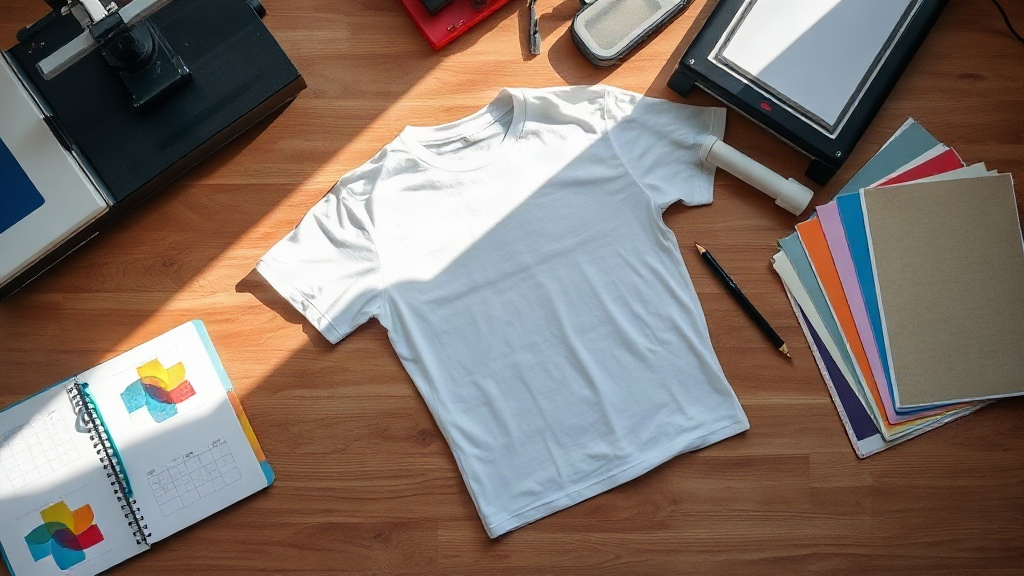
Creating your own custom shirts is one of the most rewarding DIY projects you can take on. Whether you want to promote your business, celebrate a special event, or simply wear a design that's uniquely yours, the process is more accessible than ever. With the right materials and a bit of know-how, you can produce professional-looking apparel right from your home studio. This guide will walk you through everything you need to know, from selecting the perfect blank to choosing a printing method and designing your artwork.
Why Choose Custom Shirts?
Custom shirts offer a level of personalization that mass-produced clothing can't match. They allow you to express your individuality, create a cohesive look for your team, or craft thoughtful gifts. Beyond personal use, custom apparel is a powerful marketing tool for small businesses, helping to increase brand visibility and foster a sense of community. Plus, with the variety of blank shirts available today, you can achieve a comfortable fit and durable quality that rivals retail brands.
Choosing the Right Blank Shirt
The foundation of any great custom shirt is the blank itself. Not all blanks are created equal, and your choice will impact comfort, printability, and longevity.
Fabric and Fit
Cotton is the most popular choice for its softness and breathability, but blends like cotton-polyester offer durability and reduced shrinkage. Consider the weight: heavier fabrics (like 5.5 oz) feel more premium and hold up well to printing, while lighter options (4 oz) are great for warm weather. Fit matters too; unisex, women's cut, and youth sizes are readily available. For a modern look, try a fitted or slim-fit style.
Color and Quality
Light-colored shirts are ideal for vibrant prints, while dark shirts require a white underbase for opacity. Check for pre-shrunk fabrics to minimize surprises after washing. Also, look for shirts with double-stitched hems and shoulder-to-shoulder taping for durability. If you're selling your shirts, investing in a reputable blank like those from Best Smart Blanks ensures customer satisfaction.
Popular Printing Methods for Custom Shirts
Once you have your blanks, it's time to choose a printing method. Each has its own strengths and ideal use cases.
Screen Printing
Screen printing is the go-to for bulk orders. It involves pushing ink through a mesh screen onto the fabric. It's cost-effective for large quantities and produces vibrant, long-lasting prints. However, setup costs are high, making it less ideal for one-off designs.
Direct-to-Garment (DTG) Printing
DTG printing works like an inkjet printer for fabric. It's perfect for detailed, full-color designs and small batches. The ink is absorbed into the fibers, resulting in a soft feel. While DTG has improved, it may not be as durable as screen printing on dark garments.
Heat Transfer Vinyl (HTV)
HTV is a great DIY option. You cut your design from a sheet of vinyl, then use a heat press to adhere it to the shirt. It's excellent for simple text and logos, and you can achieve multi-color effects by layering. HTV is durable and available in many finishes, including matte, glossy, and metallic.
Vinyl Cutting and Sublimation
For synthetic fabrics, sublimation printing allows you to create all-over prints that won't crack or peel. It requires special inks and a heat press, but the results are permanent. Vinyl cutting is similar to HTV but uses adhesive vinyl that you press on; it's great for numbers and simple shapes.
Designing Your Custom Shirts
Your design is what makes your shirt unique. Keep these principles in mind:
- Simplicity wins: Bold, simple graphics often look better and are easier to print.
- Consider placement: Left chest, full front, back, and sleeves are common areas. Ensure your design fits within the printable area.
- Color contrast: Use colors that stand out against the shirt color. For dark shirts, add a white outline or underbase.
- Resolution matters: For DTG and screen printing, use high-resolution (300 DPI) PNG files with transparent backgrounds.
Tools like Canva, Adobe Illustrator, or even free online editors can help you create your artwork. If you're not design-savvy, consider hiring a freelancer or using pre-made templates.
Step-by-Step: Making Your First Custom Shirt
- Choose your blank: Pick a shirt that suits your purpose and budget.
- Create your design: Finalize artwork and ensure it's the correct size and resolution.
- Select a printing method: Based on quantity, colors, and fabric.
- Prepare your workspace: For heat press methods, ensure a stable, heat-resistant surface.
- Print and press: Follow the instructions for your chosen method. For HTV, preheat the shirt, position the design, and press at the recommended temperature and time.
- Quality check: Inspect for even coverage and adhesion. Wash after 24 hours to ensure durability.
Common Mistakes to Avoid
Even seasoned creators make mistakes. Here are a few to watch out for:
- Not testing first: Always do a test print on a scrap piece of fabric.
- Ignoring fabric content: Some methods work only on certain fabrics. For example, sublimation requires polyester.
- Using low-quality blanks: They may shrink, fade, or feel uncomfortable, ruining your hard work.
- Rushing the press: Incorrect temperature or time can cause peeling or scorching.
Frequently Asked Questions
How do I choose the right shirt size for my custom design?
Size charts vary by brand, so always measure a shirt you already own and compare it to the blank's size chart. If you're selling shirts, provide a detailed size guide and consider offering a range of sizes to accommodate different body types. Remember that unisex sizes tend to run larger, while women's cuts are more fitted.
Can I print on any color shirt?
Yes, but the printing method matters. For dark shirts, you'll need a white underbase for screen printing or DTG to make colors pop. HTV works on any color, but light-colored vinyl may not show up well on white shirts. Always consider contrast and test if possible.
What's the most durable printing method for custom shirts?
Screen printing is generally the most durable, especially for high-wash cycles. It can withstand repeated laundering without fading or cracking. However, proper curing is essential. HTV is also durable if applied correctly, but may peel over time with heavy wear.
How much does it cost to make custom shirts?
Costs vary widely. A basic blank shirt might cost $3-$10, while printing adds $2-$15 per shirt depending on the method and quantity. For small batches, DTG or HTV may be more economical, while screen printing becomes cost-effective at 50+ pieces. Don't forget to factor in design time and equipment if you're doing it yourself.
Where can I buy high-quality blank shirts for my project?
Look for reputable suppliers like Best Smart Blanks, which offers a wide range of blanks from trusted brands. Check for fabric quality, consistency, and customer reviews. Buying in bulk often reduces per-unit cost, but start with a sample to ensure it meets your standards.
With these tips, you're ready to embark on your custom shirt journey. Remember, practice makes perfect, so don't be discouraged by initial mishaps. Each project teaches you something new, and soon you'll be creating wearable art that impresses everyone.