
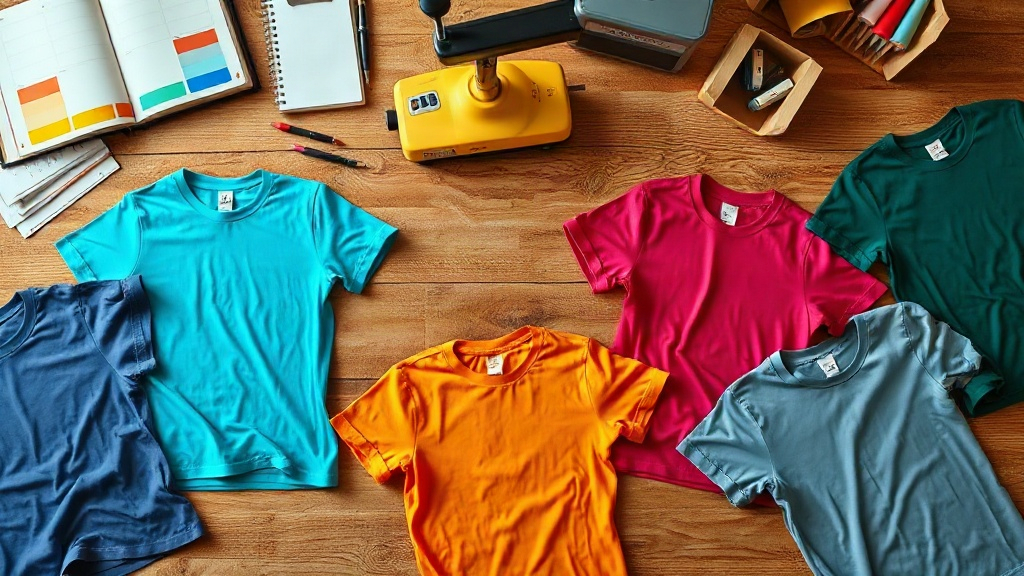
Creating Custom Shirts is more than a hobby; it's a way to express your personality, promote your brand, or craft the perfect gift. Whether you're a small business owner, a team organizer, or someone who loves DIY projects, designing your own shirts can be incredibly rewarding. But where do you start? With so many options for blanks, printing techniques, and design tools, it's easy to feel overwhelmed. This guide will walk you through the entire process, from picking the right blank tee to ensuring your design lasts. Let's dive in and turn your ideas into wearable art.
Why Custom Shirts Are Worth It
Custom apparel isn't just for big brands or special events. It's a versatile tool for self-expression and marketing. A well-designed shirt can start conversations, build community, and even generate revenue. For businesses, custom shirts serve as walking billboards, increasing brand visibility wherever your team goes. For individuals, they're a canvas for creativity, allowing you to wear your passions proudly. Plus, with the rise of print-on-demand and affordable blanks, creating custom shirts has never been more accessible.
Choosing the Right Blank T-Shirt
The foundation of any great custom shirt is the blank itself. Not all blanks are created equal, and the right choice depends on your purpose, budget, and design. Here's what to consider:
Fabric and Weight
Cotton is the most popular fabric for its softness and breathability. Ringspun cotton offers a smoother surface, ideal for detailed prints. For durability and a structured look, consider a cotton-polyester blend. Fabric weight, measured in ounces per square yard (oz/yd²), affects how the shirt feels and drapes. Lightweight (4-5 oz) is comfortable for warm weather, while midweight (5.5-6 oz) is a versatile all-rounder. Heavyweight (6.5+ oz) feels substantial and is great for outerwear-style tees.
Fit and Style
Think about who will wear the shirt. Classic fit is roomy and comfortable, while slim fit offers a modern, tailored look. For women, there are specific cuts that provide a better fit. Also, consider neckline options: crew neck is standard, V-neck adds a touch of style, and scoop neck offers a casual vibe. The right fit ensures the shirt is worn often, maximizing your design's exposure.
Color Matters
The shirt color sets the tone for your design. White and light colors make vibrant prints pop, while dark colors create a sleek, modern look. Remember that printing on dark fabrics often requires a white underbase, which can affect the feel and cost. If you're unsure, order samples to see how your design looks on different colors.
Popular Printing Methods for Custom Shirts
Once you have your blank, it's time to bring your design to life. The printing method you choose impacts the look, feel, durability, and cost. Here are the most common techniques:
Screen Printing
Screen printing is the industry standard for bulk orders. It involves pushing ink through a mesh screen onto the fabric. It's cost-effective for large quantities, offers vibrant colors, and can handle intricate designs. However, setup costs make it less ideal for small runs, and each color requires a separate screen.
Direct-to-Garment (DTG)
DTG printing works like a specialized inkjet printer for textiles. It's perfect for small batches and full-color designs with gradients. The ink is absorbed into the fabric, resulting in a soft feel. However, DTG works best on 100% cotton and may require pre-treatment for dark shirts. It's a great choice for print-on-demand and personalized items.
Heat Transfer Vinyl (HTV)
HTV is a popular DIY method. You cut your design from colored vinyl, then use a heat press to adhere it to the shirt. It's ideal for simple, one-color designs and small quantities. HTV offers a crisp, vibrant finish and is durable if applied correctly. It's a favorite among crafters for its ease of use.
Embroidery
For a premium, professional look, embroidery is unmatched. It involves stitching your design with thread, creating a textured, high-end appearance. It's perfect for logos and text, especially on polos and hats. However, it's more expensive and not suitable for fine details or gradients. Embroidery adds a touch of class to any custom shirt.
Design Tips for Standout Custom Shirts
A great design can make or break your custom shirt. Here are some tips to ensure your design looks amazing and wears well:
- Keep it simple: Bold, simple designs are more recognizable and reproduce better across printing methods.
- Use high-resolution graphics: Low-res images will look pixelated when printed. Aim for at least 300 DPI.
- Consider placement: Left chest, full front, back, and sleeves are common. Think about how the design interacts with the shirt's seams and fit.
- Test on different colors: A design that pops on white may disappear on black. Always preview on your chosen shirt color.
- Mind the details: Thin lines and small text may not print clearly with some methods. Adjust accordingly.
How to Care for Your Custom Shirts
To keep your custom shirts looking new, proper care is essential. Always turn the shirt inside out before washing to protect the print. Use cold water and a gentle cycle. Avoid fabric softeners and bleach, which can degrade the print. Tumble dry on low or hang dry. If ironing is needed, do it inside out and avoid ironing directly on the print. With proper care, your custom shirts can last for years.
Frequently Asked Questions About Custom Shirts
What is the best blank t-shirt for custom printing?
The best blank depends on your needs. For a soft, retail feel, choose a 100% ringspun cotton tee like those from Bella+Canvas or Next Level. For durability and a structured look, consider a cotton-poly blend. If you're on a budget, Gildan offers reliable options. Always order samples to test printability and comfort.
How much does it cost to make custom shirts?
Costs vary widely based on the blank, printing method, and quantity. A basic custom shirt with a one-color screen print might cost $10-$20 per shirt for a small order. DTG can be $15-$25 per shirt for small runs. Embroidery starts around $20-$30. For bulk orders (50+), screen printing can bring the cost down to $5-$10 per shirt. Always request quotes for accurate pricing.
Can I print my own designs at home?
Yes, you can! With heat transfer vinyl (HTV) and a home iron or heat press, you can create custom shirts. You'll need a cutting machine (like Cricut or Silhouette), vinyl, and a design. It's a fun DIY project, but for complex, multi-color designs, professional printing is better. Also, ensure you follow the vinyl manufacturer's instructions for best results.
How do I make sure my design lasts?
Durability depends on the printing method and care. Screen printing and DTG are generally long-lasting if cared for properly. Always wash inside out in cold water, avoid harsh detergents, and tumble dry low. HTV can crack if stretched or washed in hot water. Embroidery is the most durable. Following care instructions will extend the life of your custom shirts.
What file format should I use for my design?
For best results, provide a vector file (AI, EPS, PDF) for screen printing and embroidery, as it scales without losing quality. For DTG, a high-resolution PNG (300 DPI) with a transparent background works well. If you only have a JPEG, ensure it's high resolution. Always communicate with your printer to meet their requirements.