
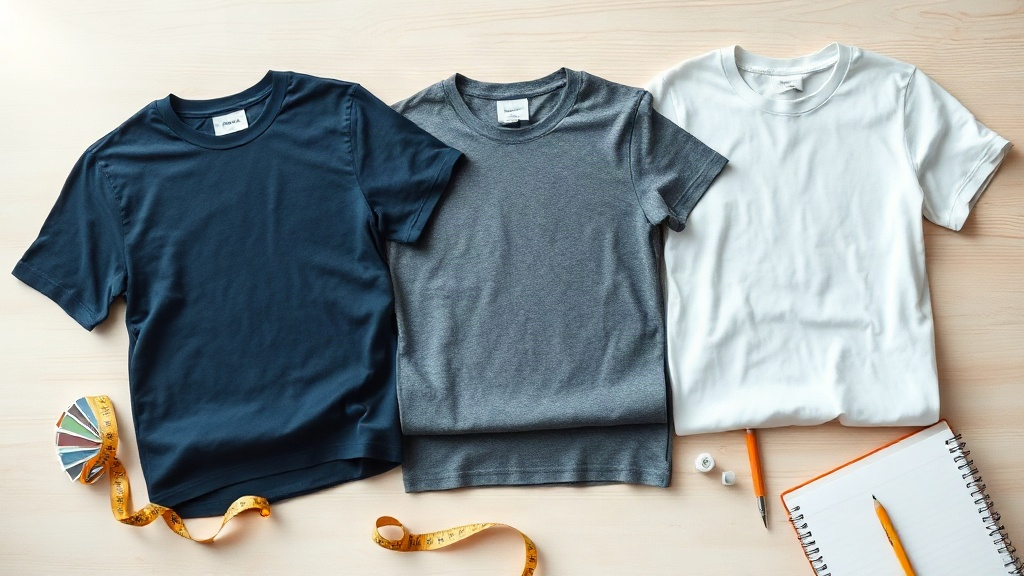
You have a design in mind, a group of people who need shirts, and a deadline. Ordering Custom Shirts should be straightforward, but the details make or break the final product. After producing thousands of printed tees for teams, events, and small brands, I have learned which choices lead to shirts people actually wear and which ones end up in the bottom of a drawer. This guide walks through the decisions that matter most, from fabric weight to ink type, so you can order with confidence.
Start With the Fabric, Not the Design
It is tempting to jump straight into artwork, but the blank shirt sets the ceiling for how good the final print can look. A 100% cotton tee gives you a soft hand and takes water-based inks beautifully, which is why it remains the standard for most Custom Shirts. Ringspun cotton feels smoother than standard carded cotton because the fibers are combed and spun finer, resulting in a tighter, more uniform surface. If you want a vintage, worn-in look, a cotton-poly blend (often 50/50 or 60/40) holds color well and resists shrinking, though it can feel slightly less breathable.
Fabric weight is measured in ounces per square yard. A 4.2 oz shirt is lightweight and airy, good for summer events and warm climates. A 6.1 oz shirt feels substantial and holds its shape through repeated washing, making it a favorite for retail-style merch. Tri-blend fabrics (cotton, polyester, rayon) offer a soft, drapey feel that many people prefer for everyday wear, but they can be trickier to print with certain inks. Pick the fabric based on how the shirt will be used: a one-day event calls for something different than a uniform worn weekly.
Cotton vs. Blends: A Quick Comparison
- 100% ringspun cotton: Soft, breathable, takes water-based and discharge inks well. Shrinks slightly after first wash.
- Cotton-poly blend: Durable, resists wrinkles and shrinking, good for athletic or workwear use.
- Tri-blend: Very soft with a heathered look, but can require special ink formulations for vibrant colors.
- Performance polyester: Moisture-wicking, ideal for sports, but needs dye-migration-blocking underlay for bright prints.
Choose the Right Print Method for Your Artwork
The print method affects cost, durability, and how the design feels on the shirt. Screen printing remains the most cost-effective option for larger orders with one to four colors. Each color requires a separate screen, so setup costs are higher, but the per-shirt price drops as quantity rises. Water-based screen printing soaks into the fabric and leaves no plastic-like layer, which many people find more comfortable.
Direct-to-garment (DTG) printing works well for full-color, photographic designs and small batches. It sprays ink directly onto the shirt, so there are no setup fees and no color limits. The trade-off is that DTG prints can fade faster than screen prints and may not be as vibrant on dark fabrics unless a pretreatment is applied. Heat transfer vinyl (HTV) is another option for names and numbers, often used for team jerseys because it allows for precise personalization.
For orders under 12 pieces, DTG or HTV usually makes more sense. For 24 pieces or more with a simple design, screen printing gives you the best combination of price and longevity. If you are unsure, ask your printer for a sample of each method on the fabric you plan to use. Seeing and feeling the difference is worth the small cost.
Ink Types and What They Mean for Wear
Plastisol ink is the industry standard: opaque, durable, and available in almost any color. It sits on top of the fabric, so it feels slightly raised. Water-based ink penetrates the fibers and feels like nothing is there, but it can be less opaque on dark colors. Discharge ink removes the dye from the fabric and replaces it with pigment, creating a super-soft print that looks like it was always part of the shirt. Each has a place, and the right choice depends on your design and how the shirt will be worn.
Get the Sizing Right the First Time
Sizing is where most orders go wrong. Every brand fits differently, so never assume a medium from one supplier matches a medium from another. Request a size chart with chest width and body length measurements, then compare those numbers to a shirt your group already owns and likes. If you are ordering for a team, collect sizes in advance rather than guessing. A simple form or group chat poll saves you from ordering too many smalls and not enough larges.
Consider unisex versus women's cuts. Unisex shirts have a straighter fit and longer body, while women's cuts are tapered at the waist and shorter. Some groups order all unisex for consistency; others prefer to offer both. If you are unsure, unisex is the safer default because it fits a wider range of body types. Also think about youth sizes if the order includes kids, and remember that youth and adult sizing do not overlap cleanly.
Artwork Prep That Saves Money
Send your printer vector files (AI, EPS, PDF) whenever possible. Vector art scales without losing quality, which matters for screen printing where the design is separated into individual colors. If you only have a JPG or PNG, make sure it is at least 300 DPI at the final print size. Avoid using low-resolution images pulled from the web; they will look pixelated and fuzzy on a shirt. If your design has fine lines or small text, keep in mind that screen printing has a minimum line thickness, usually around 1 point. DTG can handle finer detail, so choose your method accordingly.
Color matching is another area where a little planning helps. If you need an exact brand color, provide a Pantone number. Otherwise, your printer will match as closely as possible using their ink library. Remember that the shirt color affects the final look: the same ink can appear different on white versus heather grey. Always approve a digital mockup before production begins.
Ordering Timeline and Quantity Tips
Standard turnaround for screen printing is 5 to 10 business days after artwork approval, and DTG can be faster, sometimes 2 to 4 days. Rush options exist but usually cost more. If you have a fixed event date, work backward from that date and add a buffer for shipping delays or artwork revisions. Ordering early also gives you time to fix any issues without stress.
Quantity affects both price and risk. Printers often have price breaks at 12, 24, 48, and 72 pieces, so ordering a few extra to reach the next tier can lower your per-shirt cost. At the same time, ordering too many extras means leftover inventory. A good rule is to add 5% to 10% over your confirmed count to cover misprints or last-minute additions. For Custom Shirts that will be sold, this buffer also gives you a few samples for photos and marketing.
Care Instructions to Keep Prints Looking New
Even the best print will degrade if washed incorrectly. Turn the shirt inside out before washing, use cold water, and avoid fabric softener, which can break down the ink over time. Tumble dry on low or hang dry. If you need to iron the shirt, never iron directly over the print; use a pressing cloth or iron the reverse side. Following these simple steps can double the life of your printed shirts.
Frequently Asked Questions About Custom Shirts
How many shirts should I order for a team?
Start with your confirmed roster and add 10% for extras. If you are ordering for a season, consider ordering once in a larger batch to hit a better price break, but store the extras in a cool, dry place away from direct sunlight.
Can I mix sizes and colors in one order?
Yes, most printers allow mixed sizes within a single design, and many allow multiple shirt colors. Keep in mind that each additional shirt color may require a separate setup or a different ink set, which can increase cost. Ask your printer for the specifics before finalizing.
What is the best print method for a small batch of 10 shirts?
For 10 shirts, DTG or heat transfer vinyl is usually the most economical because there are no screen setup fees. If your design has few colors and you plan to reorder, screen printing may still be worth the setup cost for better durability.
How do I make sure the colors match my logo?
Provide a Pantone color number or a high-resolution vector file with exact color values. Request a physical proof or a sample print on the actual shirt color before approving the full run, since screen colors can vary slightly from digital mockups.
Will the print crack or fade over time?
With proper care, a quality screen print can last for years. Cracking usually comes from stretching the fabric or washing in hot water. Fading is more common with DTG on dark shirts. Following cold-water washing and low-heat drying will keep the print looking sharp.