
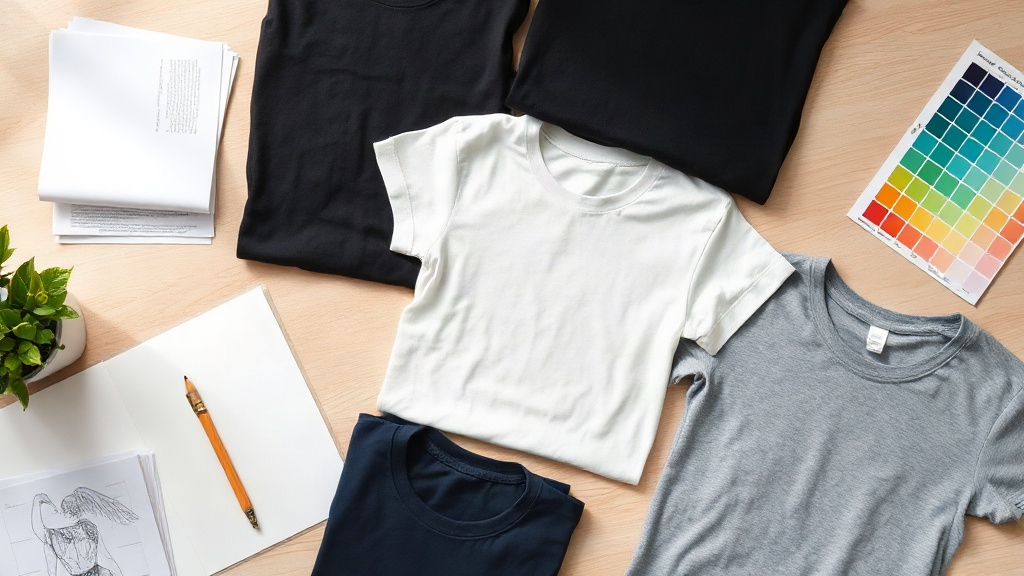
Creating custom shirts is more than just a creative outlet; it's a way to express your brand, commemorate an event, or simply wear something uniquely yours. Whether you're a small business owner looking to outfit your team, a event organizer designing merchandise, or an individual with a great idea, the journey from concept to finished product hinges on two critical decisions: the blank shirt you choose and the printing method you use. Get these right, and you'll have a garment that looks professional, feels great, and lasts. Get them wrong, and you risk a cracking print, a poor fit, or a shirt that shrinks after one wash. In this guide, we'll walk you through everything you need to know to make informed choices and achieve results you'll be proud to wear or sell.
Why the Blank Shirt Matters More Than You Think
When you're excited about your design, it's easy to treat the blank shirt as an afterthought. But the blank is the foundation of your custom shirts. It determines how your design looks, how comfortable the shirt feels, and how well it holds up over time. A high-quality blank can make a simple design look premium, while a low-quality blank can make even the best artwork look cheap. Let's break down what to look for.
Fabric: The Building Block of Comfort and Durability
The fabric you choose affects everything from softness to printability. Here are the most common options:
- 100% Cotton: The gold standard for custom shirts. It's soft, breathable, and takes screen printing and DTG (direct-to-garment) printing beautifully. Ringspun cotton is even softer and smoother, making it ideal for retail-quality shirts.
- Cotton/Poly Blends: Usually a 50/50 mix, these shirts are less prone to shrinking and wrinkling. They're a great choice for athletic wear or if you want a more durable shirt that holds its shape. However, they can feel less soft than pure cotton.
- Tri-Blends: A mix of cotton, polyester, and rayon, tri-blends are incredibly soft and have a vintage, heathered look. They're popular for fashion-forward custom shirts but can be trickier to print on because of the uneven surface.
- Performance Fabrics: Typically 100% polyester, these are designed for moisture-wicking and athletic activities. They require special inks and printing techniques to ensure the design adheres properly.
Consider the end use: for everyday wear, cotton or a cotton/poly blend is a safe bet. For activewear, go with performance fabrics. For a trendy, soft feel, tri-blend is a favorite.
Weight: Finding the Right Thickness
Fabric weight is measured in ounces per square yard (oz/yd²). Here's a quick guide:
- Lightweight (under 5 oz): Thin and breathable, great for summer or layering. However, they can be somewhat sheer and may not hold up as well to heavy prints.
- Midweight (5-6 oz): The most common and versatile. It's comfortable year-round and provides a good canvas for most printing methods.
- Heavyweight (6.5 oz and up): Durable and substantial, often used for workwear or streetwear. These shirts feel more premium and can handle bold, heavy prints without sagging.
Think about the climate and the intended use. For a summer festival shirt, a lightweight option might be perfect. For a corporate uniform, a midweight or heavyweight shirt will last longer.
Fit and Style: From Classic to Modern
Gone are the days when a boxy, unisex tee was the only option. Today, blanks come in a variety of fits:
- Classic Fit: Relaxed and roomy, with a straight cut. It's a timeless choice that suits most body types.
- Modern Fit: Slightly tapered through the waist and chest for a more contemporary look. It's not tight, but it's more fitted than classic.
- Slim Fit: Snug through the chest, waist, and sleeves. It's a fashion-forward choice but may not be comfortable for everyone.
- Women's Fit: Specifically cut to fit a woman's body, with a narrower waist and shorter sleeves. Many brands now offer a range of women's fits, from relaxed to slim.
Also consider details like neckline (crew neck, V-neck, scoop neck), sleeve length (short, long, 3/4), and hem style. These small choices can significantly impact the overall look and feel of your custom shirts.
Choosing the Right Printing Method for Your Custom Shirts
Once you've selected your blank, it's time to decide how to apply your design. The printing method you choose will affect the look, feel, durability, and cost. Here are the most popular options:
Screen Printing: The Classic Choice for Bulk Orders
Screen printing involves pushing ink through a mesh screen onto the fabric. It's ideal for large orders because the setup cost is spread across many shirts, making the per-unit price low. It works best with simple designs and limited colors. The ink sits on top of the fabric, giving a bold, opaque look that can last for years if done correctly. However, it's not cost-effective for small batches, and each color requires a separate screen, so complex designs with many colors can get expensive.
Direct-to-Garment (DTG): Best for Detailed, Full-Color Designs
DTG printing is like a sophisticated inkjet printer for shirts. It sprays water-based ink directly onto the fabric, allowing for intricate details, gradients, and unlimited colors without setup fees. It's perfect for small orders or one-off designs. The print feels soft and is breathable because the ink bonds with the fabric fibers. However, DTG works best on 100% cotton and may not be as durable on blends. The colors can also appear slightly muted compared to screen printing, and the print may fade faster with heavy washing.
Heat Transfer (Vinyl): Great for Simple Text and Numbers
Heat transfer involves cutting a design out of colored vinyl and pressing it onto the shirt with a heat press. It's commonly used for names, numbers, and simple logos, especially in sports. It's cost-effective for small quantities and offers a wide range of colors, including metallics and fluorescents. However, large, complex designs can feel heavy and may peel over time if not applied correctly. It's also not ideal for very fine details.
Direct-to-Film (DTF): The Newcomer with Versatility
DTF printing is gaining popularity because it combines the detail of DTG with the durability of screen printing. The design is printed onto a special film, then transferred to the shirt using a heat press. It works on almost any fabric, including cotton, polyester, and blends. It can produce vibrant, full-color designs with fine details and is cost-effective for both small and large orders. The print has a slight texture but is very durable. If you're looking for a versatile method that works on a variety of blanks, DTF is worth considering.
Design Tips for Custom Shirts That Stand Out
Your design is the star of the show. Here are some tips to make it shine:
- Keep it simple: A clean, uncluttered design often looks more professional and is easier to print.
- Consider the placement: Left chest, full front, back, sleeves—each placement has a different impact. Think about how the design will look when worn.
- Use high-resolution files: Vector files (AI, EPS, PDF) are best for screen printing and DTF. For DTG, a high-resolution PNG (300 dpi) with a transparent background works well.
- Check colors: Colors can look different on screen versus on fabric. If color accuracy is critical, request a sample or use Pantone matching.
- Don't forget the back: A small logo or text on the back can add a professional touch.
Where to Source High-Quality Blanks for Custom Shirts
At Best Smart Blanks, we specialize in providing premium blank apparel that serves as the perfect canvas for your custom shirts. We understand that the quality of the blank directly impacts the final product, so we curate our selection to include only the best fabrics, fits, and brands. Whether you need a few shirts for a small project or thousands for a large event, we offer competitive pricing, fast shipping, and exceptional customer service. Our team is here to help you choose the right blanks for your specific needs, ensuring your custom shirts turn out exactly as you envision.
Frequently Asked Questions About Custom Shirts
What is the best fabric for custom shirts?
The best fabric depends on your intended use. For everyday wear and vibrant prints, 100% ringspun cotton is a top choice. For athletic activities, performance polyester is best. For a soft, vintage feel, consider a tri-blend. If you need durability and wrinkle resistance, a cotton/poly blend is a solid option.
How can I prevent my custom shirt design from cracking?
Cracking often occurs due to improper printing or washing. To prevent it, choose a high-quality printer, follow care instructions (wash inside out in cold water, tumble dry low), and avoid ironing directly on the print. Also, ensure the design isn't stretched too much when worn. For DTG prints, a pretreatment may help.
What is the minimum order quantity for custom shirts?
Minimum order quantities vary by printer and method. Screen printing often requires a minimum of 12-24 shirts due to setup costs. DTG and DTF can be done as single pieces with no minimum. At Best Smart Blanks, we sell blanks in various quantities, from single pieces to bulk cases, so you can order as few or as many as you need.
How do I choose the right size for my custom shirts?
Always refer to the specific size chart provided by the blank manufacturer, as sizing can vary between brands. Measure a shirt you already own and like the fit of, and compare those measurements to the size chart. If you're ordering for a group, consider offering a range of sizes and perhaps a unisex option for inclusivity.
Can I print on any color shirt?
Yes, but the ink colors may behave differently. On dark shirts, you'll often need a white underbase for vibrant colors, which can add a layer of ink and affect the feel. Some printing methods, like DTG, may require a pretreatment for dark garments. Light-colored shirts are generally easier to print on and can handle more delicate designs without an underbase.