
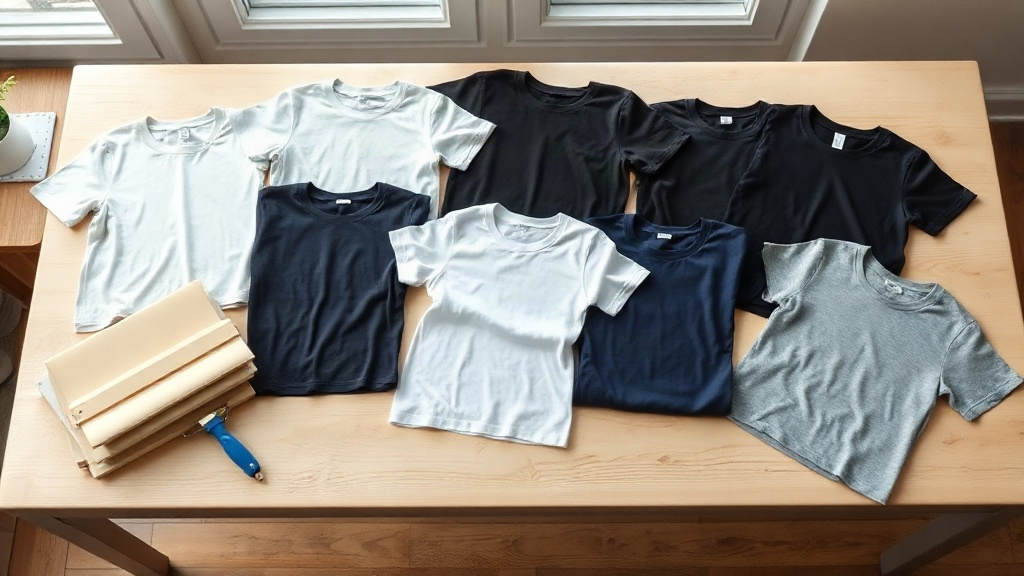
When you decide to make Custom Shirts, the first big question is: which blank shirt should you use? The answer depends on your printing method, your design, and how the shirt will be worn. Skip this step, and you risk cracked prints, faded colors, or a fit nobody wants to wear. This guide walks you through everything you need to know to choose the right blank and printing technique for your project.
Why the Blank Shirt Matters More Than You Think
The blank is not just a canvas; it is the foundation of your custom shirt. A poor-quality blank can ruin even the best design. Factors like fabric content, weight, and weave affect how ink sits on the surface, how the shirt feels, and how long it lasts. For example, a 100% cotton shirt takes screen printing beautifully but may shrink. A cotton-poly blend resists shrinking and holds vibrant colors, but some inks adhere differently. Understanding these nuances helps you avoid disappointment.
Fabric Types: Cotton, Blends, and Tri-Blends
Cotton is the classic choice for Custom Shirts. It is soft, breathable, and takes most inks well. However, it can shrink up to 5% after the first wash, so pre-shrunk options are worth the extra cost. Cotton-poly blends (usually 50/50) offer durability and less shrinkage, making them popular for uniforms and event shirts. Tri-blends (cotton, polyester, rayon) are incredibly soft and have a vintage, heathered look. They are great for retail-style shirts but can be tricky to print because the surface is uneven.
Weight and Weave: What the Numbers Mean
Fabric weight is measured in ounces per square yard (oz/yd²). A 4.0 oz shirt is lightweight and airy, ideal for summer or performance wear. A 6.0 oz shirt is heavier and more opaque, often used for workwear or when you want a premium feel. Weave also matters: ringspun cotton is softer and smoother than open-end cotton, which is more durable but rougher. For a retail-quality feel, look for combed and ringspun cotton.
Choosing the Right Printing Method for Your Design
Not all printing methods work on all blanks. The method you choose affects the look, feel, and longevity of your Custom Shirts. Here are the most common options and when to use them.
Screen Printing: Best for Bulk Orders
Screen printing is the go-to for large orders. It involves pushing ink through a mesh screen onto the fabric. It is cost-effective per unit once you hit 24 pieces or more, and it produces vibrant, long-lasting colors. However, it requires a separate screen for each color, so complex designs with many colors get expensive. Also, screen printing works best on smooth, flat fabrics; heavily textured shirts may cause uneven coverage.
Direct-to-Garment (DTG): For Detailed, Full-Color Designs
DTG printing is like a high-end inkjet printer for shirts. It excels at photographic images and gradients with many colors. No minimum order, so it is perfect for one-off designs or small batches. The catch: DTG works best on 100% cotton. On blends, the ink may not bond as well, leading to faster fading. Also, DTG prints sit on top of the fabric, so they feel slightly stiff on heavy shirts.
Heat Transfer and Vinyl: For Simple, Bold Graphics
Heat transfer uses a printed transfer sheet applied with a heat press. It works on almost any fabric, including polyester, and is great for names and numbers. Vinyl cutting is similar but uses colored vinyl sheets. Both methods are ideal for small runs and simple designs. However, they can peel over time if not applied correctly, and they may not be as durable as screen printing for frequent washing.
Design Tips for Custom Shirts That People Actually Wear
Even with the best blank and printing method, a bad design will sink your project. Here are practical tips to make your Custom Shirts look professional and get worn again and again.
- Keep it simple. A clean, bold graphic often outperforms a cluttered one. Think about how it reads from a distance.
- Use high-contrast colors. Light ink on dark shirts or dark ink on light shirts ensures visibility. Avoid low-contrast combinations like yellow on white.
- Mind the placement. The standard front print is 8-10 inches wide, centered about 2-3 inches below the collar. For left-chest prints, keep it 3-4 inches wide.
- Test on the actual blank. Colors can look different on a screen versus on fabric. Always request a sample or proof before committing to a large order.
Common Mistakes to Avoid When Ordering Custom Shirts
Many first-time buyers run into the same pitfalls. Avoiding these can save you time and money.
- Ignoring fabric shrinkage. If you order 100 shirts in size M and they shrink, you might end up with 100 shirts that fit like S. Always account for shrinkage by sizing up or choosing pre-shrunk blanks.
- Choosing the wrong ink for the fabric. Using plastisol ink on polyester can cause dye migration, where the shirt's dye bleeds into the ink. Use low-bleed ink or a poly-friendly method like sublimation.
- Forgetting about feel. A thick, heavy print might look great but feel uncomfortable. If comfort is key, consider softer inks or methods like DTG.
- Not washing properly. To extend the life of your Custom Shirts, wash them inside out in cold water and tumble dry low. Avoid ironing directly on the print.
How to Source Quality Blanks for Your Custom Shirts
Finding reliable blanks is crucial. You can buy from local distributors, online wholesalers, or directly from brands. When evaluating a supplier, consider these factors:
- Consistency: Can they provide the same blank in multiple colors and sizes over time? Inconsistency can ruin a recurring order.
- Minimums: Some suppliers require large minimums. If you are testing designs, look for suppliers with low or no minimums.
- Reviews and samples: Order a sample before committing. Check the stitching, fabric hand, and how it takes your chosen printing method.
- Shipping and returns: Fast shipping and a fair return policy are signs of a reliable partner.
Frequently Asked Questions About Custom Shirts
What is the best blank shirt for screen printing?
100% ringspun cotton is generally the best for screen printing. It has a smooth surface that allows ink to sit evenly, and it holds up well over time. Look for a weight between 4.5 and 6.0 oz for a good balance of comfort and durability.
Can I print on polyester shirts?
Yes, but you need the right method. Sublimation works best on light-colored polyester, while screen printing requires low-bleed plastisol ink to prevent dye migration. DTG is not recommended for polyester because the ink may not adhere well.
How do I prevent my custom shirt print from cracking?
Cracking usually happens due to improper curing or washing. Ensure your printer cures the ink correctly, and always wash the shirt inside out in cold water. Avoid using fabric softener and never iron directly on the print.
What is the minimum order for custom shirts?
Minimums vary by printing method. Screen printing often requires 12-24 pieces, while DTG and heat transfer can be done as single pieces. Always ask your printer about their minimums before designing.
How should I care for my custom shirts to make them last?
Turn the shirt inside out before washing, use cold water, and tumble dry on low. If you need to iron, do it inside out or use a pressing cloth over the print. Following these steps can significantly extend the life of your custom shirts.