
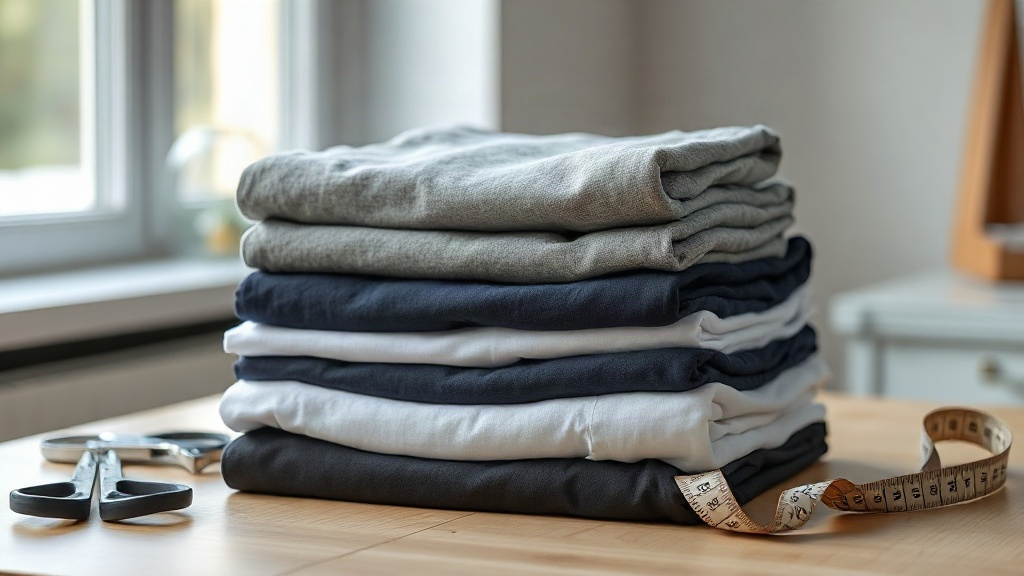
When you hand someone a t-shirt, you're not just giving them fabric; you're giving them an experience. A Custom Premium Tee transforms that experience from ordinary to unforgettable. Whether you're a business owner looking to create memorable merchandise, an event organizer wanting attendees to actually wear the swag, or a creator launching a brand, the quality of your blank determines everything. In this guide, we'll dive deep into what makes a tee premium, how to choose the right one, and why it matters more than you think.
What Makes a T-Shirt 'Premium'?
Not all blanks are created equal. A premium tee typically features finer fabric, better construction, and superior fit. It's the difference between a shirt that feels like sandpaper and one that feels like a second skin. Here are the key characteristics:
- Fabric weight and quality: Premium tees often use 100% combed ring-spun cotton or blends like cotton/polyester or tri-blends. Ring-spun cotton is softer and more durable because the fibers are twisted together more tightly.
- Stitching and construction: Look for double-needle stitching on hems and sleeves, side seams (not tubular), and shoulder-to-shoulder taping. These details prevent twisting and extend the shirt's life.
- Fit and sizing: A premium tee offers a modern fit that flatters various body types, with consistent sizing across colors.
- Eco-friendly and ethical production: Many premium blanks are made with organic cotton or recycled materials, and produced in facilities that prioritize fair labor and sustainability.
When you choose a Custom Premium Tee, you're investing in a garment that people will want to wear again and again.
Why Custom Premium Tees Matter for Your Brand
Your brand is more than a logo; it's a promise. A premium tee communicates that you care about quality in every aspect of your business. Here's why opting for premium blanks is a smart move:
- Enhanced brand perception: A soft, well-fitting tee makes your brand look professional and trustworthy. People associate the feel of the shirt with your brand's quality.
- Longer lifespan: Cheap tees pill, fade, and shrink after a few washes. Premium tees maintain their shape and color, keeping your brand visible for years.
- Comfort drives wearability: If a shirt feels great, people wear it more often. That's free advertising every time they step out.
- Better print results: Premium blanks with tight weave and smooth surfaces take prints better, resulting in sharper, more vibrant designs that last.
In short, a Custom Premium Tee is a walking billboard that people actually enjoy wearing.
Choosing the Right Blank for Your Custom Premium Tee
With so many options, selecting the perfect blank can be overwhelming. Start by defining your purpose:
For Retail or Brand Merchandise
If you're selling tees, go for high-end fabrics like Pima cotton or tri-blends. These offer a luxe feel and retail-ready look. Consider brands like Bella+Canvas, Next Level, or Allmade for sustainable options.
For Events and Promotions
Comfort and cost-effectiveness are key. A 50/50 cotton-poly blend or a lightweight ring-spun cotton tee works well. Ensure the fit is modern; nobody wants a boxy giveaway tee.
For Activewear or Sports Teams
Performance fabrics that wick moisture and resist odors are ideal. Look for polyester blends with antimicrobial properties.
Don't forget to order samples. Feel the fabric, check the stitching, and wash it a few times to test durability. This step ensures your final product meets your standards.
Printing Techniques for Custom Premium Tees
The print method you choose affects the look, feel, and longevity of your design. Here are the most common techniques and when to use them:
- Screen printing: Best for bold, simple designs and large orders. It's cost-effective per unit and produces vibrant colors that last. However, it can feel heavy on the shirt if too many colors are used.
- Direct-to-garment (DTG): Ideal for detailed, full-color designs and small batches. It allows for intricate details but may fade faster than screen printing on dark garments.
- Heat transfer vinyl (HTV): Great for small runs and personalized items like names or numbers. It's durable and offers a slight texture, but not ideal for complex designs.
- Embroidery: Adds a premium, textured look, perfect for logos on left chest or sleeves. It's durable but can be pricey for large designs.
- DTF (Direct-to-Film): A newer method that combines the detail of DTG with the durability of screen printing. It works on various fabrics and colors.
Consider your design complexity, order size, and budget when choosing. For a Custom Premium Tee, the print should feel like an integrated part of the shirt, not a plastic patch.
Design Tips for Standout Custom Premium Tees
Even the best blank can't save a bad design. Follow these guidelines to create tees people love:
- Keep it simple: A clean, minimalist design often looks more premium than a cluttered one.
- Use high-resolution graphics: Ensure your artwork is at least 300 DPI to avoid pixelation.
- Consider placement: Left chest, full front, back, and sleeves each offer different canvases. Think about how the design will look when worn.
- Color contrast: Ensure your design stands out against the shirt color. Use a color wheel to find complementary or contrasting hues.
- Less is more with text: Avoid long paragraphs; focus on a catchy phrase or your logo.
Remember, a Custom Premium Tee is a piece of art. Treat it as such.
Sustainability and Ethical Considerations
Today's consumers care about where their clothes come from. A truly premium tee should be ethically made and environmentally friendly. Look for certifications like GOTS (Global Organic Textile Standard), Fair Trade, or OEKO-TEX. Brands that use organic cotton, recycled polyester, or innovative fabrics like Tencel are leading the way. By choosing sustainable blanks, you not only appeal to eco-conscious customers but also reduce your environmental footprint. It's a win-win.
Cost vs. Value: Why Premium Blanks Are Worth It
Premium blanks cost more upfront, but the long-term value is undeniable. A cheap tee that fades after five washes costs you in reprints and damages your reputation. A premium tee that lasts years keeps your brand in circulation and builds trust. Calculate the cost per wear, not just the initial price. For businesses, the return on investment comes from increased brand loyalty and word-of-mouth.
How to Launch Your Custom Premium Tee Line
Ready to start? Here's a step-by-step approach:
- Define your audience and purpose: Who will wear your tees and why?
- Select your blanks: Order samples from reputable suppliers like Best Smart Blanks.
- Create your design: Hire a professional or use design tools. Keep it original.
- Choose a printing method: Based on design and quantity.
- Test and iterate: Print a sample, wash it, and get feedback.
- Market your tees: Use social media, email, and events to showcase your premium quality.
With careful planning, your Custom Premium Tee line can become a cornerstone of your brand.
Frequently Asked Questions
What is the difference between a premium tee and a regular tee?
Premium tees use higher-quality fabrics like combed ring-spun cotton, have better construction (side seams, double stitching), and offer a superior fit and feel. They also tend to last longer and hold prints better.
Which printing method is best for custom premium tees?
It depends on your design and quantity. Screen printing is great for bold, simple designs in bulk. DTG or DTF is better for detailed, full-color designs in small batches. Embroidery adds a premium touch for logos.
How do I choose the right blank for my custom tees?
Consider your purpose: retail, events, or activewear. Order samples to test fabric, fit, and durability. Look for reputable brands that offer consistent quality and ethical production.
Are custom premium tees worth the higher cost?
Absolutely. They enhance brand perception, last longer, and provide better comfort, leading to more wear and positive associations. The long-term value outweighs the initial expense.
Can I print on any color premium tee?
Yes, but some printing methods work better on light vs. dark colors. For dark tees, consider screen printing with a white underbase, DTF, or embroidery. Always test to ensure the design pops.