
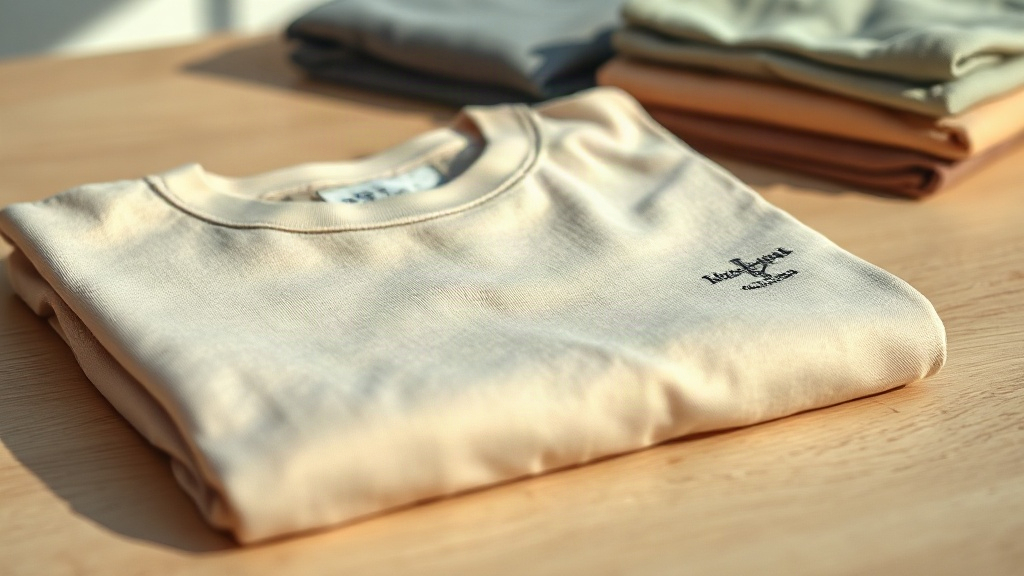
When you hand someone a t-shirt with your logo on it, you're not just giving them merchandise; you're giving them a piece of your brand they'll wear against their skin. That's why settling for flimsy, rough blanks is a mistake. A Custom Premium Tee signals quality, care, and attention to detail—the same values you want associated with your business. In this guide, we'll walk through everything you need to know to create a premium custom tee that people actually want to wear, from selecting the right blank to printing methods and long-term care.
Why Choose a Custom Premium Tee Over Standard Blanks?
Not all t-shirts are created equal. Standard blanks often use lower-grade cotton, rough textures, and inconsistent stitching. They might be cheaper upfront, but they cost you in the long run: faded prints, shrunk fits, and customers who relegate your tee to the rag pile. A Custom Premium Tee, on the other hand, is made from higher-quality materials, often combed ring-spun cotton or blends that feel softer and last longer. The fit is more thoughtful, with attention to shoulder seams, hem stitching, and collar shape. When you invest in premium blanks, you're investing in your brand's reputation.
Material Matters: Cotton, Blends, and Performance Fabrics
The foundation of any great custom tee is the fabric. Here's what to consider:
- 100% Combed Ring-Spun Cotton: The gold standard for softness and printability. It's smooth, durable, and takes ink beautifully. Expect a weight between 4.2 and 5.5 oz for a substantial feel.
- Cotton/Poly Blends: Often 50/50 or 60/40, these resist shrinkage and wrinkles, and they're great for vibrant colors. However, they can pill over time if not cared for properly.
- Tri-Blends: A mix of cotton, polyester, and rayon. These are incredibly soft and have a vintage, heathered look. They're popular for retail-style merch but can be pricier.
- Performance Fabrics: Moisture-wicking polyester blends are ideal for athletic or outdoor brands. They're less common for everyday wear but excel in specific niches.
For most businesses, a 100% combed ring-spun cotton tee in the 4.5 oz range hits the sweet spot between comfort, durability, and cost.
Fit and Construction: The Details That Define Premium
Premium doesn't just mean soft fabric; it's also about construction. Look for:
- Side-seamed construction: Tubular tees (without side seams) are cheaper but tend to twist and fit poorly. Side-seamed tees maintain their shape wash after wash.
- Double-needle stitching: Reinforced seams at the sleeves and hem prevent tearing and extend the life of the shirt.
- Shoulder-to-shoulder taping: This stabilizes the neckline and prevents stretching.
- Pre-shrunk fabric: Reduces shrinkage, so the fit you choose is the fit you keep.
These details might seem minor, but they make a huge difference in how the tee feels and wears over time. Your customers will notice.
Choosing the Right Blank for Your Custom Premium Tee
With so many options, how do you pick? Start by defining your purpose. Are these tees for a corporate event, a retail collection, or a giveaway? Each scenario has different priorities.
For Corporate and Promotional Use
You want a tee that looks professional and can be worn in casual settings. A 100% cotton tee in a classic fit with a subtle logo works well. Consider a weight of at least 5 oz for a substantial feel that doesn't look cheap. Popular colors like black, navy, and heather grey are safe bets.
For Retail and Merch
If you're selling tees, you need to compete with retail brands. That means offering on-trend fits (e.g., unisex, women's cut, oversized), unique colors, and superior softness. Tri-blends and combed cotton are your friends here. Also, pay attention to labeling: tear-away tags or custom neck labels add a premium touch.
For Athletic and Performance
Breathability and moisture management are key. Look for polyester blends with antimicrobial properties. These tees should have a more athletic cut and often feature raglan sleeves for freedom of movement.
Printing Methods for Custom Premium Tees
The best blank in the world can be ruined by poor printing. Here's a rundown of common methods and their suitability for premium tees.
Screen Printing
Screen printing is the most popular method for bulk orders. It's cost-effective, durable, and offers vibrant colors. However, it requires a separate screen per color, so complex designs can get pricey. For premium tees, use high-quality plastisol or water-based inks. Water-based inks have a softer hand and penetrate the fabric, giving a vintage look that many prefer.
Direct-to-Garment (DTG)
DTG printing is ideal for small batches and full-color designs. It works best on 100% cotton, though newer printers handle blends well. The print sits on top of the fabric, so it may feel slightly stiff initially but softens after washing. For premium tees, ensure the printer uses high-quality inks and pretreats the garment properly for longevity.
Heat Transfer and Vinyl
Heat transfer is great for small runs and detailed designs, but it can crack over time if not applied correctly. Vinyl is durable but has a plastic feel and is best for simple text or numbers. Neither is ideal for a premium feel, but they can work for specific applications.
Embroidery
For a truly upscale look, embroidery adds texture and perceived value. It's perfect for left-chest logos or small details. However, it's not suitable for large, complex designs and can be heavy on lightweight fabrics. Use it on heavier tees for best results.
Design Tips for a Custom Premium Tee
Designing for a premium tee is different from designing for a cheap giveaway. Here are some guidelines:
- Less is more: A small, well-placed logo often looks more premium than a large, busy graphic.
- Color harmony: Choose ink colors that complement the shirt color. For example, white ink on a navy tee is classic, while metallic inks can add a luxurious touch.
- Placement: Left chest, center chest, sleeve, and back yoke are standard. Consider unique placements like a small logo on the pocket area or a vertical design on the side.
- Typography: Use clean, legible fonts. Avoid overly decorative fonts that may not print well.
- Mockups: Always request a digital mockup before production. This helps you catch issues with size, placement, and color.
Caring for Your Custom Premium Tee
To keep your custom tee looking new, follow these care instructions:
- Turn the tee inside out before washing to protect the print.
- Wash in cold water on a gentle cycle.
- Avoid using bleach or fabric softeners, which can degrade the fabric and ink.
- Tumble dry on low or hang dry. High heat can cause shrinkage and cracking.
- Iron inside out, avoiding the printed area. If you must iron the print, use a pressing cloth.
Share these tips with your customers to ensure they enjoy their tee for years.
Frequently Asked Questions About Custom Premium Tees
What is the best fabric for a custom premium tee?
The best fabric depends on your needs. For softness and printability, 100% combed ring-spun cotton is ideal. For durability and wrinkle resistance, a cotton/poly blend works well. Tri-blends offer a vintage look and exceptional softness.
How much should I expect to pay for a custom premium tee?
Pricing varies based on quantity, fabric, and printing method. As a rough guide, a premium blank might cost $5-$10, and printing adds $3-$8 per shirt for screen printing, or more for DTG or embroidery. Bulk orders reduce the per-unit cost.
Can I print on a premium tee at home?
Yes, with the right equipment. DTG printers are becoming more affordable for small businesses, and heat press transfers are a viable option for small runs. However, for professional results, it's best to work with a print shop.
How do I choose the right size for my custom tees?
Always consult the blank manufacturer's size chart. Consider ordering samples to check fit and sizing. If you're selling tees, offer a range of sizes and consider unisex sizing for inclusivity.
What is the difference between a premium tee and a standard tee?
Premium tees use higher-quality fabrics, better construction (e.g., side seams, double stitching), and often have a softer hand and more consistent fit. Standard tees cut corners on materials and construction, leading to a shorter lifespan and less comfort.
Creating a Custom Premium Tee is an investment in your brand's image. By choosing the right blank, printing method, and design, you'll craft a tee that people love to wear—and that speaks volumes about your commitment to quality.