
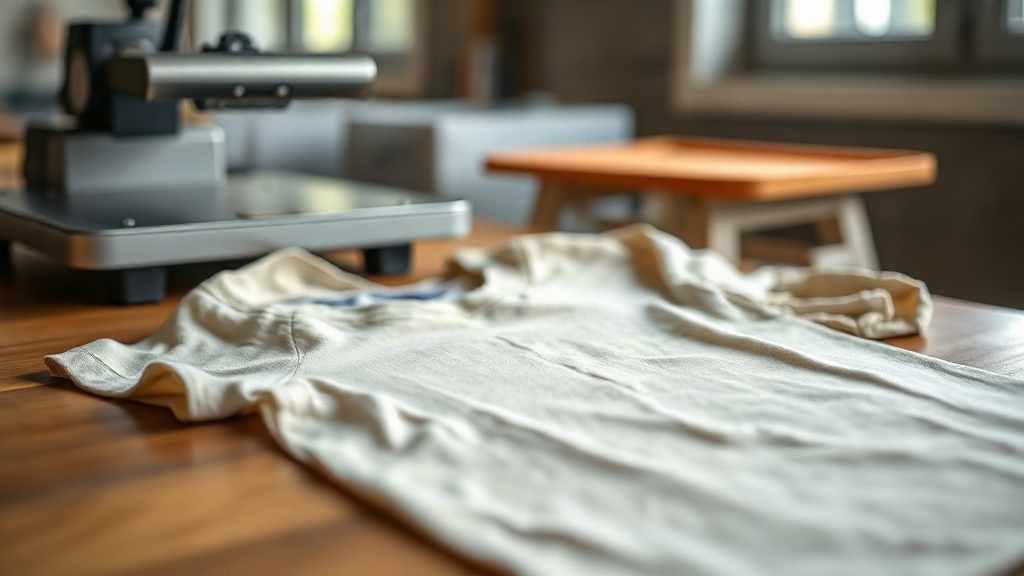
When you decide to create a Custom Premium Tee, the difference between a shirt that feels like a cheap giveaway and one that becomes a favorite in your closet often comes down to two things: the blank you start with and how you print on it. Whether you're a small business owner launching merch, a designer experimenting with your first sample, or someone making a special gift, understanding the nuances of premium blanks and decoration methods will save you time, money, and frustration. This guide walks you through the key decisions, from fabric selection to printing techniques, so you can produce a custom tee that looks and feels exceptional.
Why the Blank Matters More Than You Think
Not all t-shirts are created equal. A premium blank is the foundation of a quality custom tee. Cheaper blanks often use lower-grade cotton with shorter fibers, leading to pilling, shrinkage, and a rough hand feel. Premium blanks, on the other hand, typically feature longer-staple cotton, tighter knitting, and thoughtful construction details like side seams, shoulder taping, and a consistent fit.
When you choose a premium blank, you're investing in durability and comfort. The fabric holds its shape wash after wash, and the surface accepts ink or vinyl more smoothly, which means your design looks crisper and lasts longer. For anyone serious about creating a Custom Premium Tee, starting with a high-quality blank is non-negotiable.
Key Fabric Considerations
Cotton is the most popular choice, but not all cotton is the same. Look for terms like combed ringspun or Supima. Combed ringspun cotton has been combed to remove short fibers and then ring-spun for strength, resulting in a softer, smoother fabric. Supima is a premium type of cotton known for its extra-long fibers, which translate to a luxurious feel and excellent color retention.
Blends like cotton/polyester or tri-blends (cotton/polyester/rayon) offer different advantages. Polyester adds durability and moisture-wicking properties, while rayon gives a silky drape. Tri-blends are incredibly soft and have a vintage, heathered look that many people love. However, blends can affect how certain inks adhere, so always test before committing to a large order.
Fabric weight is another factor. Measured in ounces per square yard (oz/yd²), a 4.5 oz shirt is lightweight and airy, while a 6.1 oz shirt is heavier and more structured. For a premium feel, many brands opt for 5.5 oz to 6.5 oz. Heavier isn't always better; it depends on the intended use. A summer festival tee might call for a lighter weight, while a workwear-inspired shirt benefits from a heavier fabric.
Fit and Construction Details
Fit is personal, but premium blanks often come in a range of cuts: classic fit, slim fit, relaxed fit, and even oversized. Pay attention to shoulder width, chest width, and body length. A well-constructed tee will have double-needle stitching at the hems and sleeves, shoulder-to-shoulder taping to prevent stretching, and side seams for a tailored shape (tubular shirts without side seams can twist after washing).
Also consider the neckline. A ribbed collar with a high cotton content (often 1x1 rib) resists stretching better than a thin, flimsy collar. Some premium blanks feature a tear-away label, which is a nice touch if you plan to rebrand with your own tags.
Choosing the Right Printing Method for Your Custom Premium Tee
Once you've selected your blank, the next step is deciding how to apply your design. The method you choose affects the look, feel, durability, and cost. Here are the most common options for custom apparel.
Screen Printing
Screen printing is the traditional workhorse for bulk orders. It involves pushing ink through a mesh screen onto the fabric. It's cost-effective for large quantities (typically 24+ pieces) and offers vibrant, opaque colors that stand up to repeated washing. However, setup costs are high because each color requires a separate screen. It's best for simple designs with few colors. On premium blanks, screen printing produces a professional, retail-quality result.
Direct-to-Garment (DTG) Printing
DTG printing works like an inkjet printer for fabric. It's ideal for full-color, detailed designs and small batches because there are no setup fees. The ink is water-based and sits on top of the fabric, so it feels soft to the touch. However, DTG works best on 100% cotton; on blends, the colors may appear less vibrant. For a Custom Premium Tee with photographic or gradient-heavy artwork, DTG is a strong choice.
Heat Transfer Vinyl (HTV) and Screen Print Transfers
HTV involves cutting a design from a colored film and pressing it onto the shirt with a heat press. It's great for simple text, numbers, and single-color logos. It's durable and has a slight plastic feel. Screen print transfers (also called DTF transfers) are printed on a special film and then heat-pressed. They can handle complex designs and work on various fabrics, including blends. Both methods are accessible for home crafters and small businesses.
Embroidery
For a truly premium look, embroidery adds texture and a sense of luxury. It's commonly used for left-chest logos or small text. Embroidery is durable and gives a professional, corporate feel. However, it's not suitable for large, detailed designs, and it can be more expensive per piece. On a heavyweight premium tee, embroidery can be a standout feature.
Design Tips for a Standout Custom Premium Tee
Even the best blank and printing method can't save a poorly designed graphic. Here are some guidelines to ensure your design looks great on a shirt.
- Keep it simple: Bold, clean designs often read better than intricate ones, especially from a distance.
- Consider placement: Left chest, full front, back, sleeve, and even hem tags are all options. Think about how the design interacts with the shirt's seams and fit.
- Use high-resolution files: Vector files (AI, EPS) are ideal for screen printing; for DTG, a 300 DPI PNG or TIFF works well.
- Mind the color contrast: Ensure your design stands out against the shirt color. Light ink on dark shirts may require a white underbase for opacity.
- Test before you commit: Order a sample or two to see how the design looks on the actual blank. It's worth the extra time and cost.
Caring for Your Custom Premium Tee
To keep your custom tee looking new, follow the care instructions. Turn it inside out before washing, use cold water, and avoid fabric softener, which can break down the ink. Tumble dry on low or hang dry. If you need to iron, do it inside out and avoid pressing directly on the printed area. With proper care, a premium tee with a quality print can last for years.
Frequently Asked Questions
What is the best fabric for a custom premium tee?
There's no single best fabric; it depends on your priorities. For softness and breathability, 100% combed ringspun cotton is excellent. For durability and moisture-wicking, a cotton/poly blend is a good choice. Tri-blends offer a unique vintage look and an ultra-soft feel. Consider the intended use and your target audience's preferences.
How many colors can I use in a screen-printed design?
You can use as many colors as you like, but each color adds a screen and increases setup costs. For small runs, it's often more economical to limit colors or choose a different printing method like DTG. For large orders, screen printing with multiple colors can be very cost-effective per piece.
Will my custom premium tee shrink after washing?
Most premium blanks are pre-shrunk, but some shrinkage (around 3-5%) can still occur, especially with 100% cotton. To minimize shrinkage, wash in cold water and dry on low heat or hang dry. If you're concerned, size up or choose a blend with polyester, which resists shrinking.
Can I print on a premium tee at home without professional equipment?
Yes, you can use heat transfer vinyl (HTV) with a home iron or a heat press, or try DTF transfers that you can apply with a heat press. However, for professional results and durability, investing in a heat press or outsourcing to a print shop is recommended. Home methods are great for small batches and personal projects.
How do I choose the right size for my custom premium tee?
Always consult the blank manufacturer's size chart. Measure a well-fitting shirt you already own and compare it to the chart. If you're between sizes, consider the fit you want: a slimmer fit might require sizing up, while a relaxed fit might allow you to stay true to size. Ordering a sample in your size is the best way to be sure.