
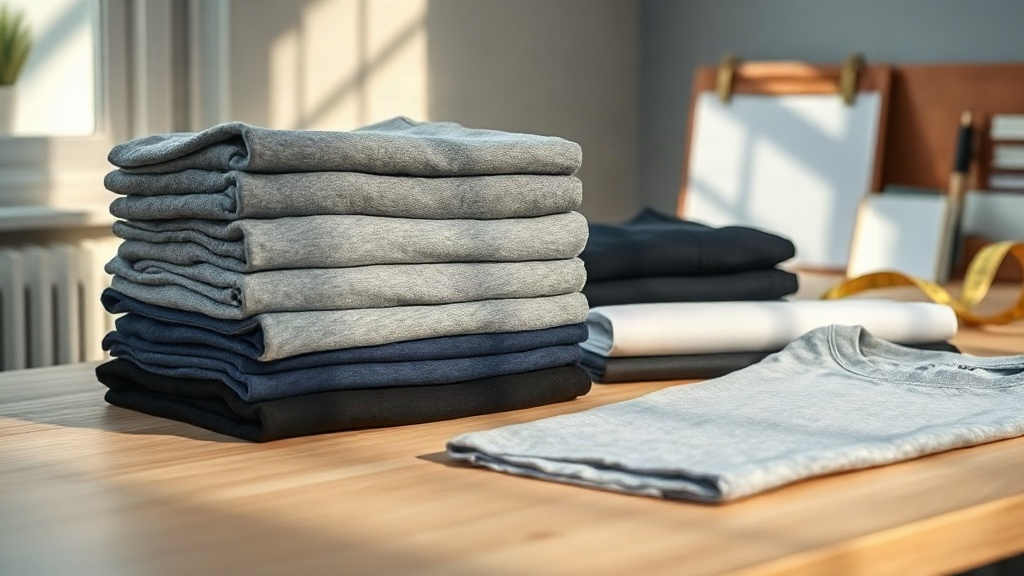
When you hand someone a Custom Premium Tee, you're not just giving them a shirt. You're giving them a piece of your brand, your art, or your message wrapped in fabric that feels as good as it looks. But here's the catch: not all blanks are created equal. The difference between a tee that gets worn until it's threadbare and one that ends up as a dust rag often comes down to the blank you start with. In this guide, we'll walk through everything you need to know to select, print, and care for premium blanks that make your custom designs shine.
Why Premium Blanks Matter for Your Custom Tees
Let's be honest: a cheap blank can ruin even the most brilliant design. If the fabric pills after one wash, or the fit is boxy and unflattering, your customers will notice. Premium blanks, on the other hand, offer a canvas that enhances your artwork and keeps customers coming back.
But what exactly makes a blank "premium"? It's a combination of factors:
- Fabric quality: Higher thread count, longer staple cotton, and tighter knitting create a smoother, more durable surface.
- Fit and construction: Side seams, shoulder taping, and thoughtful tailoring prevent twisting and ensure a flattering silhouette.
- Consistency: Premium blanks are produced with strict quality control, so every shirt in your order feels and fits the same.
- Ethical sourcing: Many premium blanks come from factories with fair labor and sustainable practices, which resonates with today's conscious consumers.
When you invest in a Custom Premium Tee, you're signaling to your audience that you care about the details. And that attention to detail translates into trust and loyalty.
Choosing the Right Fabric for Your Custom Premium Tee
The fabric is the heart of any tee. Here's a breakdown of the most common options and what they mean for your custom project.
100% Cotton: The Classic Choice
Cotton is breathable, soft, and takes prints beautifully. Look for combed or ring-spun cotton, which is softer and stronger than standard carded cotton. Ringspun cotton has longer fibers that create a smoother yarn, resulting in a tee that feels luxurious against the skin. If you want a traditional feel with a premium touch, 100% cotton is your go-to.
Cotton Blends: The Best of Both Worlds
Blends like cotton/polyester (often 50/50 or 60/40) offer the softness of cotton with the durability and wrinkle resistance of polyester. They're less likely to shrink and hold their shape well over time. Tri-blends (cotton/polyester/rayon) are incredibly soft and have a vintage, heathered look that's popular for retail brands.
Performance Fabrics: For Active Lifestyles
If your custom tees are meant for workouts or outdoor activities, consider performance fabrics that wick moisture and resist odors. These are often 100% polyester or blends with spandex for stretch. They take sublimation printing well, allowing for all-over designs that won't crack or peel.
No matter which fabric you choose, always request swatches before committing to a large order. Feel the fabric, stretch it, and wash a sample to see how it holds up.
The Fit Factor: Finding the Perfect Silhouette
Fit is personal, but certain styles have universal appeal. Here are the most popular fits for custom premium tees:
- Classic fit: Relaxed through the body and sleeves, with a straight hem. Great for unisex designs and promotional giveaways.
- Slim fit: Tapered through the waist and chest, with shorter sleeves. Ideal for fashion-forward brands targeting a younger demographic.
- Relaxed fit: Oversized and comfortable, often with dropped shoulders. Perfect for streetwear and athleisure looks.
- Women's fit: Contoured to flatter the female form, with shorter sleeves and a narrower waist.
When choosing a fit, consider your audience and the message your design conveys. A bold graphic might look best on a relaxed fit, while a minimalist logo shines on a slim fit.
Printing Methods: Matching Technique to Blank
Not all printing methods work equally well on every fabric. Here's a quick guide to help you pair your blank with the right technique.
Screen Printing
Best for: 100% cotton and cotton blends. Screen printing offers vibrant colors and durability, especially for bold designs. It's cost-effective for large orders but requires a separate screen per color, so it's less ideal for complex, multi-color images.
Direct-to-Garment (DTG)
Best for: 100% cotton and high-cotton blends. DTG is perfect for detailed, full-color designs and small batches. The print sits on top of the fabric, so it may fade over time, but modern DTG inks are much more durable than they used to be.
Heat Transfer Vinyl (HTV)
Best for: Cotton, polyester, and blends. HTV is great for simple logos, numbers, and names. It's a popular choice for team jerseys and personalized gifts. However, it can feel stiff on large areas and may peel if not applied correctly.
Sublimation
Best for: Polyester and high-poly blends. Sublimation dyes the fabric rather than layering ink on top, so the print never cracks or peels. It's ideal for all-over designs and performance wear, but it only works on light-colored polyester.
Always test your chosen method on a sample blank before production. Some fabrics require special pretreatments or inks to achieve the best results.
Sourcing Custom Premium Tee Blanks: What to Look For
Ready to place an order? Keep these factors in mind when evaluating suppliers.
- Minimum order quantities (MOQs): Some suppliers cater to small businesses with low MOQs, while others require bulk orders. Know your needs before you inquire.
- Color selection: A wide range of colors gives you flexibility, but ensure the supplier consistently stocks your core colors.
- Size range: Inclusive sizing (XS to 4XL and beyond) is increasingly important to consumers. Check availability.
- Shipping and lead times: Fast turnaround is crucial if you're fulfilling time-sensitive orders. Ask about rush options.
- Customer reviews: Look for feedback on quality, consistency, and customer service. A supplier with a strong reputation is worth the investment.
At Best Smart Blanks, we specialize in providing high-quality blanks that meet the demands of custom apparel creators. Our curated selection ensures you get the best canvas for your designs.
Caring for Your Custom Premium Tee
To keep your custom tees looking great, share these care tips with your customers:
- Turn the shirt inside out before washing.
- Use cold water and a gentle cycle.
- Avoid bleach and fabric softeners, which can break down the fabric and print.
- Tumble dry low or hang dry.
- Iron inside out, avoiding the printed area.
Proper care extends the life of the tee and keeps your brand looking professional.
Frequently Asked Questions About Custom Premium Tees
What is the best fabric for a custom premium tee that will be printed with DTG?
For DTG printing, 100% cotton or a high-cotton blend (at least 80% cotton) works best. The ink absorbs into the natural fibers, producing vibrant, long-lasting colors. Polyester blends can cause the ink to fade or look dull, so always check the fabric content before ordering.
How can I ensure my custom premium tee blanks are ethically made?
Look for certifications like Fair Trade, WRAP, or OEKO-TEX. These indicate that the manufacturer meets certain social and environmental standards. Many premium blank suppliers also provide transparency reports or factory audits. If ethical sourcing is important to your brand, don't hesitate to ask suppliers for documentation.
What's the difference between ringspun and open-end cotton in custom premium tees?
Ringspun cotton is made by spinning the cotton fibers continuously, which creates a smoother, stronger, and softer yarn. Open-end cotton is made by a faster process that produces a rougher, less durable fabric. Premium tees typically use ringspun or combed ringspun cotton for a superior feel and print surface.
How do I choose the right size range for my custom premium tee order?
Consider your target audience. If you're selling to a broad demographic, offer sizes from XS to 3XL or 4XL. Check the supplier's size chart for measurements, and if possible, order samples in a few sizes to verify fit. Inclusive sizing can be a selling point that sets your brand apart.
Can I mix different fabric types in one custom premium tee order?
Yes, many suppliers allow you to mix fabrics, colors, and sizes within a single order, though minimums may apply per style. Mixing fabrics can be a great way to offer variety, but keep in mind that printing results may vary. Always test print on each fabric type before committing to a large run.
Choosing the right Custom Premium Tee is about more than just picking a blank. It's about understanding your audience, your design goals, and the technical aspects of printing. With the right knowledge and a reliable supplier like Best Smart Blanks, you can create custom apparel that people love to wear and share.