
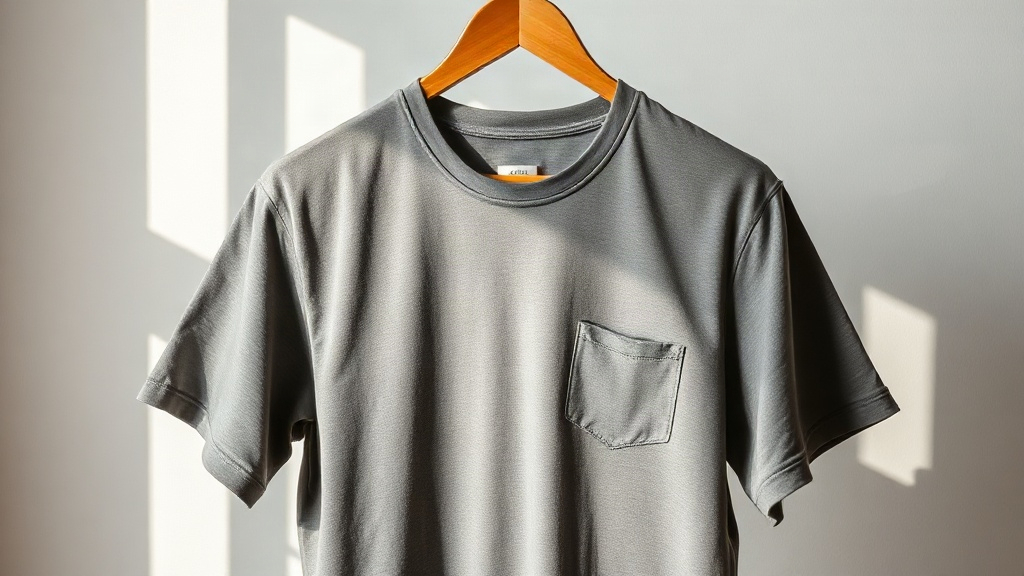
When you decide to offer a Custom Premium Tee in your product lineup, you're not just adding another t-shirt. You're making a statement about quality, craftsmanship, and the kind of experience your customers can expect. But with so many blanks, decoration methods, and marketing angles out there, where do you start? This guide walks you through the entire process, from picking the perfect blank to pricing for profit, so you can build a premium tee offering that sells.
Why Blank Choice Makes or Breaks Your Premium Tee
The foundation of any great Custom Premium Tee is the blank itself. A premium tee feels substantial in hand, drapes well on the body, and holds up wash after wash. If you skimp on the blank, no amount of fancy printing will save you. Customers notice when a shirt feels thin, scratchy, or starts pilling after a few wears.
So what should you look for? Start with fabric weight. A premium tee typically falls between 5.5 and 7 ounces per square yard. Anything lighter can feel flimsy, while heavier weights (like 7 oz) offer a structured, durable feel that many customers associate with luxury. Next, consider the fabric blend. 100% combed ringspun cotton is the gold standard for softness and printability. If you need stretch or moisture-wicking properties, a cotton-poly blend (like 60/40 or 50/50) can work, but it may not take certain inks as vibrantly.
Don't overlook construction details. Double-needle stitching at the sleeves and hem, shoulder-to-shoulder taping, and a ribbed collar that retains its shape are hallmarks of a quality tee. These small features add up to a garment that feels premium and lasts longer, which justifies a higher price point.
Top Blank Brands for Premium Tees
Several brands consistently deliver blanks that meet premium standards. Bella+Canvas 3001 is a popular choice for its soft combed ringspun cotton and wide color range. Next Level 3600 offers a similar feel with a slightly more modern fit. For a heavier, boxier option, consider Comfort Colors 1717, known for its garment-dyed, vintage look. Each brand has its own personality, so order samples and test them with your decoration method before committing to bulk.
Decoration Methods That Elevate a Custom Premium Tee
Once you have the right blank, the decoration method you choose will determine the final look, feel, and durability of your Custom Premium Tee. There's no one-size-fits-all answer; the best method depends on your design, quantity, and target market.
Screen Printing: The Classic Choice
Screen printing remains the most popular method for bulk orders. It offers vibrant colors, excellent durability, and a soft hand when done correctly. For premium tees, use water-based or discharge inks instead of plastisol. Water-based inks soak into the fabric, leaving a nearly undetectable print that moves with the shirt. Discharge inks actually remove the dye from the fabric, creating a super-soft, vintage look that's perfect for light-colored tees. Keep in mind that screen printing requires a setup fee per color, so it's most cost-effective for larger runs.
Direct-to-Garment (DTG) Printing
DTG printing is ideal for small batches, complex designs, and full-color images. It works by printing directly onto the garment with water-based inks, similar to an inkjet printer. The result is a soft, breathable print that's great for detailed artwork. However, DTG works best on 100% cotton and may require pre-treatment for vibrant colors on dark shirts. It's a fantastic option for print-on-demand and limited editions.
Heat Transfer and Vinyl
Heat transfer and vinyl are accessible for beginners and great for small runs or personalized items. You can cut vinyl with a craft cutter and press it onto the shirt. For more complex designs, use transfer paper printed with a standard inkjet or laser printer. While not as durable as screen printing, modern transfers can last dozens of washes if applied correctly. For a premium feel, look for soft-hand transfer papers that mimic screen printing.
Embroidery: Adding Texture and Luxury
Embroidery adds a three-dimensional, high-end look that screams premium. It's perfect for left-chest logos, monograms, or small text. However, it's not ideal for large, detailed designs, and it can be heavy on lightweight fabrics. If you go this route, choose a stable, mid-weight blank and use a backing to prevent puckering. Embroidery is a great way to differentiate your Custom Premium Tee from cheaper alternatives.
Designing for Premium: Less Is Often More
When customers pay a premium price, they expect a sophisticated design. Overly busy graphics or clip-art-style prints can cheapen the look. Instead, focus on clean lines, thoughtful typography, and a limited color palette. A minimalist logo or a single impactful graphic often reads as more premium than a shirt covered in multiple prints.
Placement matters too. A left-chest print or a small back-neck detail feels more elevated than a full-front print. If you do go large, ensure the design has breathing room and doesn't feel cramped. Also, consider the shirt color. Neutral tones like heather grey, navy, and black tend to convey premium quality, while neon colors may feel more casual.
Pricing Your Custom Premium Tee for Profit
Pricing is where many new sellers stumble. You need to cover your costs (blank, decoration, labor, packaging, shipping) and still make a profit. A common formula is to multiply your total cost by 2.5 to 3 for wholesale, or 4 to 5 for direct-to-consumer. But don't just rely on formulas; understand your market. If you're selling a truly premium tee with high-quality materials and craftsmanship, customers are willing to pay more. Research competitors and position your product accordingly.
Remember that perceived value matters. Invest in nice packaging, include a thank-you card, and ensure your product photos look professional. These touches justify a higher price and reduce returns.
Marketing Your Premium Tee Line
Marketing a Custom Premium Tee requires a different approach than selling basic tees. You're not competing on price; you're competing on quality, story, and experience. Start by identifying your niche. Are you targeting professionals who want a comfortable, stylish tee for casual Fridays? Or maybe fitness enthusiasts who need a durable, sweat-wicking option? Speak directly to their needs.
Use high-quality photography that shows the texture and details of your tees. Close-ups of stitching, the soft drape of the fabric, and real people wearing them can convey quality better than words. Share your process: show how you select blanks, mix inks, or hand-print each shirt. Transparency builds trust and justifies the premium.
Leverage social media to tell your brand story. Behind-the-scenes videos, customer testimonials, and user-generated content can create a community around your brand. Consider collaborating with micro-influencers who align with your values; they often have engaged audiences and can provide authentic social proof.
Common Mistakes to Avoid
Even with the best intentions, many sellers make mistakes that undermine their premium positioning. Here are a few to watch out for:
- Choosing the wrong blank: A cheap blank will always feel cheap, no matter how good the print is.
- Overprinting: Too much ink can make the shirt stiff and uncomfortable. Use the right method for the design.
- Ignoring wash testing: Always test your decorated tees after multiple washes to ensure durability.
- Underpricing: Don't compete on price; compete on value. Premium customers aren't looking for the cheapest option.
- Poor presentation: Low-quality photos and packaging can kill a premium brand's credibility.
Frequently Asked Questions About Custom Premium Tees
What is the best fabric for a custom premium tee?
The best fabric is typically 100% combed ringspun cotton with a weight between 5.5 and 7 oz. It offers softness, durability, and excellent printability. For performance tees, a cotton-poly blend with moisture-wicking properties works well, but it may not take all ink types equally.
How can I make my custom tees feel more premium without spending a fortune?
Focus on the details: choose a soft, mid-weight blank, use water-based or discharge inks for a soft hand, and add thoughtful touches like custom neck labels or hang tags. Even small upgrades can significantly enhance perceived value.
What decoration method is best for small batches of premium tees?
For small batches, DTG printing or heat transfers are most cost-effective. They avoid setup fees and allow for full-color designs. However, if you want the most durable, professional result, screen printing with water-based inks is worth the investment, even for smaller runs.
How should I price my custom premium tees?
Calculate your total cost per shirt, including blank, decoration, labor, and overhead. Then apply a markup that reflects your market positioning. For premium tees, a 3x to 5x markup is common. Research competitors and consider the value you provide beyond the physical product.
Can I use a custom premium tee for corporate events or giveaways?
Absolutely. Premium tees make excellent corporate gifts or event swag because they are wearable, useful, and convey a sense of quality. Just ensure the design aligns with the brand's image and that the blank and decoration method are appropriate for the occasion.