
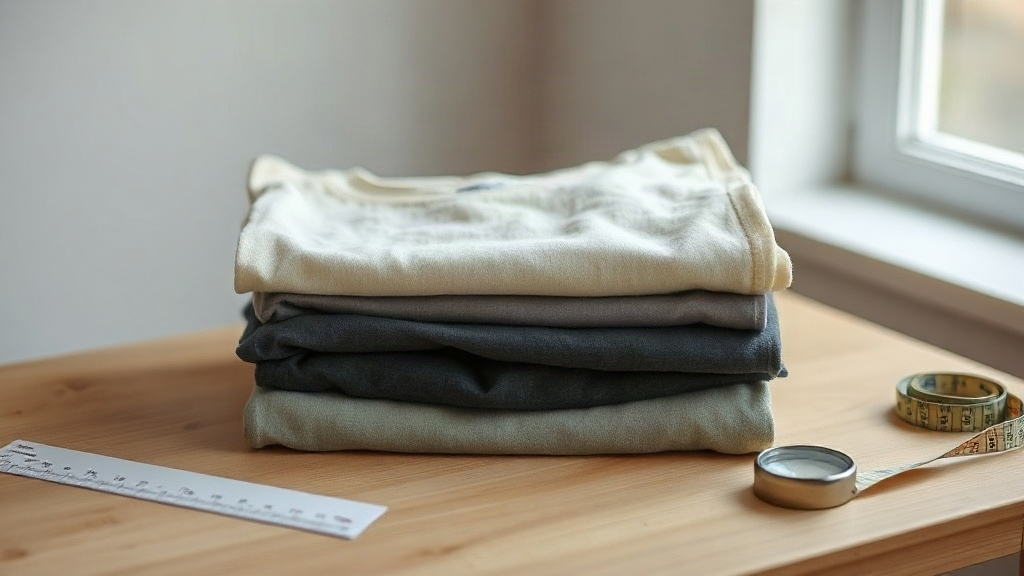
A shirt that feels heavy in your hands, holds its shape through a hundred wash cycles, and takes ink without bleeding is not an accident. It is the result of small decisions made long before anyone touches a heat press. If you are sourcing blanks for a Custom Premium Tee, the garment you start with decides almost everything about how the finished product looks, feels, and survives real life. Most disappointing custom shirts fail at the blank stage, not the printing stage, and that is exactly where this guide starts.
What Actually Makes a Tee Premium
The word premium gets thrown around loosely in apparel. Strip away the marketing and it comes down to three measurable things: the fabric, the construction, and how the garment behaves after repeated wear. A blank can be organic, ethically made, and beautifully dyed and still be a poor choice for printing. Premium means it performs on all fronts, not just one.
Fabric weight and why it matters
Fabric weight is measured in ounces per square yard (oz/yd²), and it tells you more about a blank than almost any other spec. The range you will see most often runs from about 4.0 oz on the light side to 6.5 oz and beyond on the heavy side.
- 4.0 to 4.5 oz: Light and airy. Good for warm climates and retail-style fashion tees, but thinner fabric can show print imperfections and drapes loosely.
- 5.0 to 5.5 oz: The sweet spot for most custom work. Enough body to hold a screen print crisply, light enough to wear in summer.
- 6.0 oz and up: Substantial, structured, and durable. Ideal for workwear, merch drops, and anything meant to feel like a heavyweight statement piece.
Weight is not a quality ranking on its own. A well-made 4.3 oz ring-spun tee can outlast a poorly made 6 oz one. What matters is that the weight matches the job. A dense, detailed print on flimsy fabric tends to look flat; a minimalist design on a heavy blank can feel stiff and boxy.
Carded versus combed versus ring-spun cotton
This is the part most buyers skip, and it is the part that determines how soft a shirt feels against skin. Carded cotton is the standard option: durable, affordable, and slightly rougher. Combed cotton has shorter fibers removed, which makes the yarn smoother. Ring-spun cotton goes further by twisting the fibers tightly during spinning, producing a finer, stronger, and noticeably softer yarn.
If you are building a Custom Premium Tee line that customers will judge by touch, ring-spun or combed ring-spun blanks are usually the right call. The difference is obvious the moment someone pulls the shirt over their head.
Construction Details That Separate Good Blanks From Great Ones
Two shirts can carry identical fabric specs and still behave completely differently. The gap is in the stitching and finishing.
Side seams and tubular construction
Tubular tees are knit as a continuous tube with no side seams. They are cheaper to produce and common in budget blanks. Side-seamed tees are cut and sewn with seams running down each side. Side seams give the garment a more tailored fit, reduce twisting after washing, and generally hold shape better over time. For premium positioning, side seams are close to non-negotiable.
Neckline and shoulder taping
A collar that stretches out after three wears ruins an otherwise excellent shirt. Look for a ribbed collar with a higher stitch count and shoulder-to-shoulder taping, which reinforces the neckline and prevents it from warping. Double-needle stitching at the hems and sleeves is another sign the blank was built to last rather than to hit a price point.
Pre-shrinking and dye consistency
Unpre-shrunk cotton can lose several percent of its size in the first wash. If your customer orders a medium and receives something closer to a small after one laundry cycle, the premium promise is broken. Pre-shrunk or garment-dyed blanks cost more upfront and save a lot of returns later.
Matching the Blank to Your Printing Method
The best blank for screen printing is not automatically the best blank for DTG or embroidery. Thinking about your decoration method before you buy saves reprints and wasted stock.
Screen printing
Screen printing lays down a layer of ink that sits on top of the fabric. A tighter, smoother knit surface produces cleaner edges and sharper detail. Ring-spun cotton with a fine gauge works beautifully here. Very textured or heavily slubbed fabrics can cause ink to sit unevenly, which is a deliberate look for some brands and a defect for others.
Direct-to-garment and embroidery
DTG printing absorbs into the fibers, so 100% cotton blanks typically yield the most vibrant, wash-durable results. Blends can work, but the polyester content can dull colors and cause fading over time. Embroidery, by contrast, benefits from a slightly denser fabric that can support stitch weight without puckering. A 6 oz cotton or a cotton-rich blend handles a chest logo or back panel embroidery far better than a thin 4 oz tee.
A Practical Checklist Before You Commit to a Blank
Before placing a bulk order, run the blank through a short evaluation. It takes an afternoon and prevents expensive mistakes.
- Order single samples in two or three sizes, not just one.
- Wash each sample three times at the temperature your customers will realistically use.
- Check for shrinkage, collar distortion, and color fading side by side.
- Print or embroider one sample and wash it again to test decoration durability.
- Compare the washed sample against a fresh one to see how the garment ages.
A blank that still looks presentable after that cycle is a blank worth building a product line on. One that pills, twists, or loses its shape is telling you something before your customers do.
Why Sourcing Matters as Much as Specs
Spec sheets are only useful if the supplier delivers consistently. A blank that performs well in a sample but arrives with inconsistent sizing, shade variation between dye lots, or delayed restocks creates problems that no fabric weight can fix. Working with a supplier who stocks reliable inventory and communicates lead times clearly is part of what makes a Custom Premium Tee program sustainable rather than a one-off experiment.
It also helps to think about the full cost, not just the unit price. A slightly more expensive blank that resists shrinkage, holds print quality, and needs fewer replacements often costs less per satisfied customer than a cheap blank that generates returns.
Frequently Asked Questions
What fabric weight is best for a custom premium tee?
For most applications, 5.0 to 5.5 oz hits the best balance of durability, drape, and print performance. Choose 4.0 to 4.5 oz for lightweight summer styles and 6.0 oz or heavier for structured, heavyweight merch. The right weight depends on your design and how the shirt will be worn, not on a universal ranking.
Is ring-spun cotton worth the extra cost for custom shirts?
If your customers will judge the product by feel, yes. Ring-spun cotton produces a softer, smoother, and stronger yarn than standard carded cotton, and the difference is noticeable immediately. For budget-focused promotional items where softness matters less, combed or carded cotton can be perfectly adequate.
How can I stop custom tees from shrinking after washing?
Start with pre-shrunk or garment-dyed blanks, which have already been through a shrinking process. Then wash samples at the temperature your customers are likely to use and measure the change. If a blank still shrinks significantly, it is not a reliable choice for a premium product line.
Do side-seamed blanks really make a difference?
They do, especially over time. Side seams give the shirt a more tailored shape, reduce twisting in the wash, and help the garment keep its structure. Tubular blanks are usually cheaper, but they tend to fit boxier and can distort more after repeated laundering.
Which blanks work best for both DTG printing and embroidery?
A 100% cotton blank in the 5.0 to 6.0 oz range with a tight knit handles both well. Cotton absorbs DTG ink for vibrant, lasting color, while the denser fabric supports embroidery stitches without puckering. Heavily blended fabrics can dull DTG output, so test before committing to a large run.