
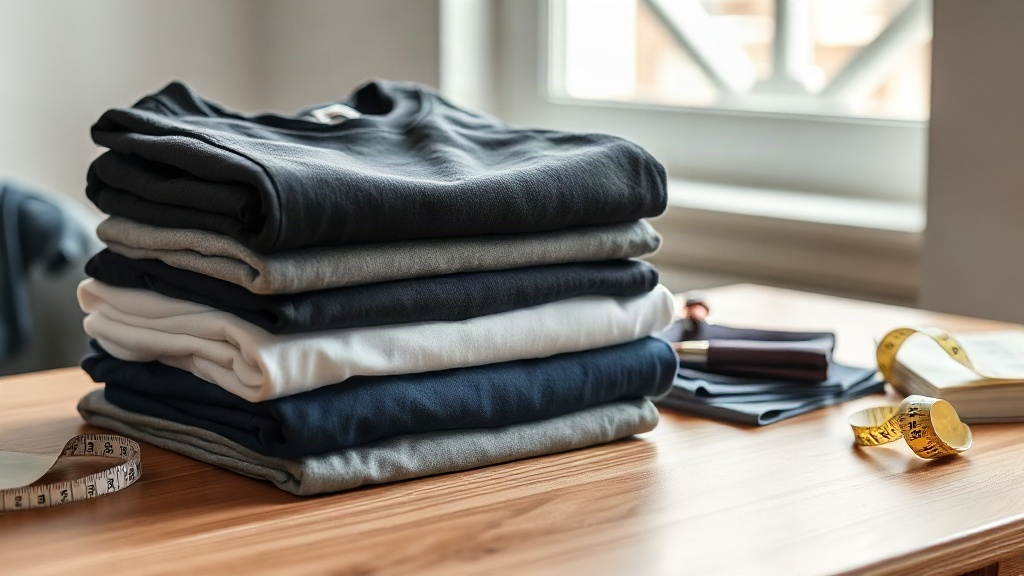
When it comes to making a lasting impression, few things rival the power of a well-crafted t-shirt. Custom premium t-shirts are more than just apparel; they are a statement of quality, a canvas for creativity, and a powerful marketing tool. Whether you're a business owner looking to outfit your team, an event organizer seeking memorable merchandise, or an individual with a passion for unique fashion, understanding the nuances of premium custom t-shirts can transform your approach. At the heart of this lies CPS, or Cost Per Shirt, a metric that helps you balance quality and budget effectively. In this guide, we'll dive deep into everything you need to know about creating custom premium t-shirts that stand out.
Why Custom Premium T-Shirts Matter
In a world saturated with fast fashion and disposable clothing, premium t-shirts offer a refreshing alternative. They are made from superior materials, constructed with attention to detail, and designed to last. But why should you consider custom premium t-shirts for your next project? The answer lies in perceived value. When you hand someone a high-quality t-shirt, they feel valued. It's a tangible representation of your brand's commitment to excellence. Moreover, premium t-shirts are worn more often, increasing brand exposure. Unlike cheap alternatives that may shrink, fade, or tear after a few washes, premium shirts maintain their look and feel, ensuring your message stays visible.
Understanding CPS: Cost Per Shirt Explained
CPS, or Cost Per Shirt, is a crucial metric for anyone ordering custom apparel. It represents the total cost of producing one shirt, including the blank garment, printing, and any additional services. Calculating CPS accurately helps you make informed decisions and avoid overspending. For example, if you order 100 shirts at $10 each, your CPS is $10. However, if you add a premium printing method like embroidery, the CPS might rise to $15. Understanding CPS allows you to compare quotes from different suppliers and choose the best value. Keep in mind that CPS often decreases with larger order quantities due to economies of scale. So, if you're planning a big event, ordering in bulk can significantly lower your CPS.
Factors That Influence CPS
- Fabric type: Organic cotton, bamboo, or performance blends affect the base cost.
- Printing method: Screen printing, DTG, embroidery, or heat transfer each have different price points.
- Order quantity: Larger orders typically reduce the per-unit cost.
- Design complexity: More colors or intricate details increase the CPS.
- Turnaround time: Rush orders may incur additional fees.
By understanding these factors, you can optimize your CPS without sacrificing quality. For instance, choosing a single-color design on a mid-weight cotton shirt can keep CPS low while still looking premium.
Choosing the Right Fabric for Premium T-Shirts
The foundation of any premium t-shirt is the fabric. Not all cotton is created equal. Here are the most popular options for custom premium t-shirts:
100% Organic Cotton
Organic cotton is grown without harmful pesticides, making it eco-friendly and softer. It breathes well and is ideal for everyday wear. Expect a CPS slightly higher than conventional cotton, but the quality justifies the cost.
Cotton-Polyester Blends
Blends offer the best of both worlds: the softness of cotton and the durability of polyester. They resist shrinking and wrinkling, making them great for activewear or uniforms. A 50/50 blend is a common choice for premium t-shirts.
Tri-Blend
Tri-blends (cotton, polyester, rayon) are ultra-soft and have a vintage look. They are a favorite for fashion-forward brands. While the CPS is higher, the unique feel sets them apart.
Performance Fabrics
For sports or outdoor events, performance fabrics like moisture-wicking polyester are ideal. They keep the wearer cool and dry. These fabrics may have a higher CPS but are worth it for functionality.
Printing Methods for Custom Premium T-Shirts
Once you've selected the fabric, the next step is printing. The method you choose affects the look, durability, and CPS. Here's a breakdown:
Screen Printing
Screen printing is the most common method for bulk orders. It involves creating a stencil for each color and pressing ink through it. It's cost-effective for large quantities, with a low CPS per shirt. However, it's less practical for small batches or complex designs with many colors.
Direct-to-Garment (DTG) Printing
DTG printing works like an inkjet printer for fabric. It's perfect for detailed, multi-color designs and small orders. The CPS is higher than screen printing for large runs, but there are no setup fees, making it ideal for one-off premium shirts.
Embroidery
Embroidery adds a luxurious, textured look. It's often used for logos on polos or left-chest designs. The CPS is higher due to the labor-intensive process, but it exudes professionalism and durability.
Heat Transfer
Heat transfer involves printing a design on special paper and applying it with heat. It's great for small runs and complex designs. The CPS is moderate, but the print may not last as long as screen printing.
Design Tips for Custom Premium T-Shirts
Creating a design that looks premium requires more than just a good graphic. Consider these tips:
- Keep it simple: Less is often more. A clean, minimalist design appears more sophisticated.
- Use high-resolution files: Ensure your artwork is at least 300 DPI to avoid pixelation.
- Choose colors wisely: Contrast is key. Light designs on dark shirts and vice versa.
- Consider placement: Left chest, full front, or back? Each placement has a different impact.
- Test before bulk: Order a sample to check the final product. This small investment can save you from a large mistake.
How to Calculate CPS for Your Order
To calculate CPS, follow this formula:
- Determine the cost of the blank shirt (including shipping).
- Add the printing cost per shirt (which may include setup fees divided by quantity).
- Include any additional services like folding, bagging, or tagging.
- Divide the total by the number of shirts.
For example, if 50 shirts cost $500 for blanks and $200 for printing, total is $700. CPS = $700 / 50 = $14 per shirt. This simple calculation helps you stay within budget.
SSS
What is CPS in custom t-shirt printing?
CPS stands for Cost Per Shirt. It's the total cost of producing one custom t-shirt, including the blank garment, printing, and any extras. Knowing your CPS helps you budget and compare suppliers.
How can I lower my CPS without sacrificing quality?
Order in larger quantities to benefit from economies of scale. Choose simpler designs with fewer colors. Opt for standard fabrics rather than specialty ones. Also, compare quotes from multiple printers to find the best CPS.
What's the best fabric for premium custom t-shirts?
It depends on your needs. Organic cotton is soft and eco-friendly. Tri-blends offer a vintage feel. Performance fabrics are great for sports. Consider your audience and use case to decide.
How long do custom premium t-shirts last?
With proper care, premium t-shirts can last for years. Wash inside out in cold water and tumble dry low. Avoid ironing directly on the print. Quality fabrics and printing methods ensure longevity.
Custom premium t-shirts are an investment in your brand or personal style. By understanding CPS, selecting the right fabric and printing method, and following design best practices, you can create apparel that people love to wear. Whether you're ordering for a business, event, or personal use, the effort you put into creating premium shirts will pay off in the long run. Start planning your order today and experience the difference quality makes.